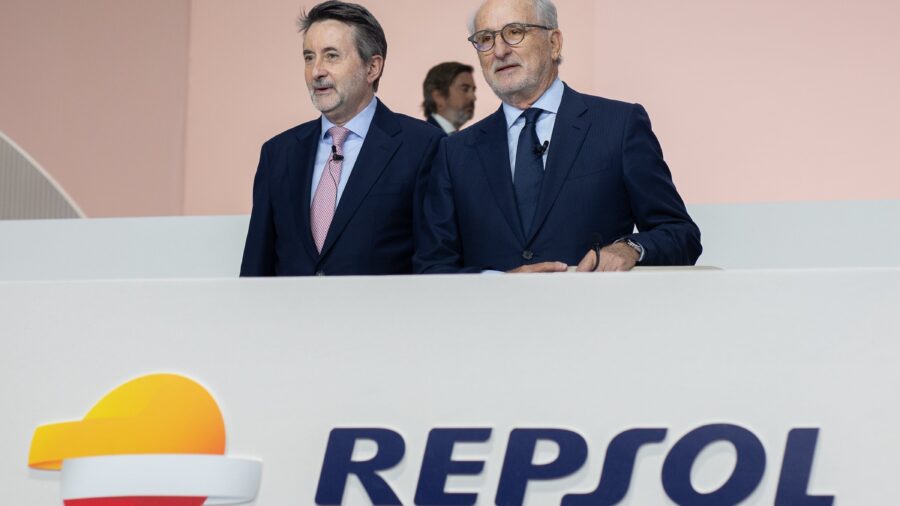
Energy companies Repsol and Moeve reported significant profit increases for the first nine months of the year, according to recent financial data. Repsol recorded 5.006 billion euros in profits, marking a 325% increase compared to the same period last year. Moeve reported 1.43 billion euros in profits, which represents a 481% increase or a 140% rise based on adjusted net income.
Financial Performance Analysis
The reported figures highlight a period of substantial financial growth for these firms within the energy sector. The data reflects a sharp contrast to the earnings recorded by these companies during the previous year. Financial analysts often look to these quarterly reports to gauge the overall health of the energy market and the impact of fluctuating commodity prices on corporate balance sheets.
While Repsol’s growth was substantial, Moeve’s results showed variance depending on the accounting metrics applied. The company noted a 481% increase in raw profit figures, while the adjusted net profit metric indicated a 140% rise. These variations in reporting are common in the energy sector, where adjustments for market volatility and operational costs are frequently calculated to provide a clearer picture of underlying profitability.
Context of Energy Market Earnings
The energy sector has experienced significant volatility in recent years, driven by supply chain shifts, geopolitical factors, and changes in global demand. These factors directly influence the revenue streams for major energy producers. The current earnings reports confirm that these companies have capitalized on the prevailing market conditions throughout the first three quarters of the fiscal year.
Why it matters: The financial performance of major energy companies directly impacts broader economic indicators, including inflation rates and consumer energy costs. For readers in the Middle East, where energy exports are central to national economies, these profit margins illustrate the ongoing profitability of the global energy trade and the significant influence these corporations hold over international market trends.
 Egypt
 Saudi Arabia
 UAE
 Spain
 United Kingdom
 United States
 China
 India
