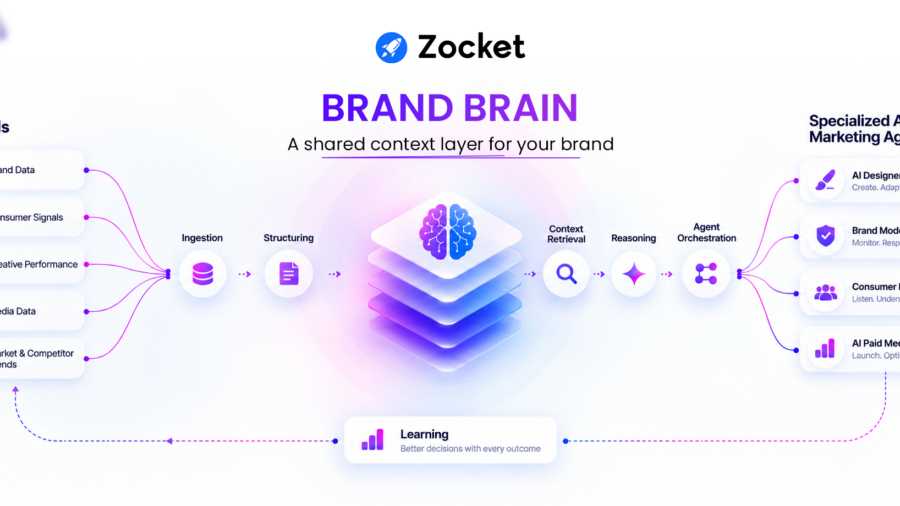
The landscape for enterprise artificial intelligence is shifting as foundational models become commoditized, forcing companies to look beyond raw processing power for a competitive edge. Industry analysis suggests that the primary battleground for AI adoption is moving toward proprietary knowledge and business context rather than model selection.
The Commoditization of AI Models
Over the past three years, the enterprise AI sector prioritized choosing the most powerful models, focusing on benchmarks and reasoning scores. However, this trend is changing as the performance gap between leading models narrows. Capabilities that were once considered advanced, such as summarizing long documents or generating code, are now widely available across multiple providers. As inference costs decrease and switching between models becomes easier, the inherent advantage of any single model is diminishing.
The Rise of Contextual Intelligence
Industry experts argue that intelligence alone is insufficient for enterprise operations. Sustainable competitive advantages now require deep integration of business-specific data. This shift emphasizes four critical layers of intelligence: data context, which includes customer behavior and historical trends; brand and institutional context, covering guidelines and compliance; and workflow context, which governs how teams execute campaigns and creative development. By connecting these layers, organizations can move beyond generic AI output to specialized execution.
Strategic Implications for Business
For enterprise leaders, relying solely on model selection is no longer a sustainable strategy, as competitors can replicate such setups quickly. Instead, long-term value is being derived from how companies build on top of standardized AI infrastructure. Organizations must now focus on how well their AI systems understand internal processes, customer interactions, and specific business priorities to drive meaningful results.