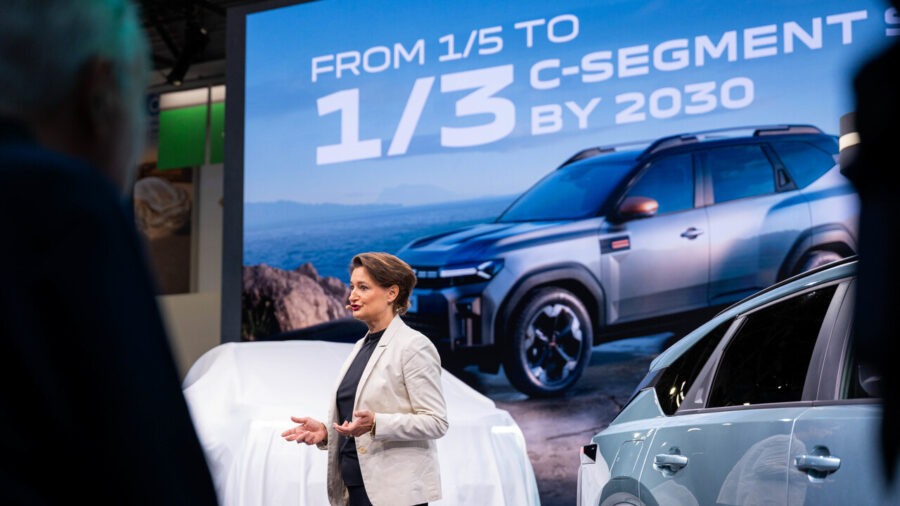
Dacia is realigning its corporate strategy to prioritize environmental sustainability, placing the Spring electric vehicle and the Striker concept at the center of its transition toward lower emissions. The automaker aims to reduce both fuel consumption and the overall environmental impact of its manufacturing processes.
Electric Mobility and Material Innovation
The Dacia Spring serves as the cornerstone of the company’s push into the electric vehicle market. By offering an accessible electric model, Dacia intends to make zero-emission transportation available to a broader consumer base. The strategy moves beyond simply switching powertrains; it encompasses a holistic approach to vehicle construction.
Central to this initiative is the increased integration of recycled materials. Dacia is incorporating sustainable resources into its vehicle design to minimize waste and lower its carbon footprint. The Striker concept represents this design philosophy, showcasing how recycled components can be utilized without compromising vehicle performance or versatility.
Strategic Impact
The company reports that these changes are driven by a need to adapt to stricter environmental regulations and evolving consumer demand for greener transportation options. By focusing on efficiency, Dacia seeks to balance the practical requirements of daily driving with the necessity of reducing industrial waste.
Moving forward, the company plans to continue refining its supply chain to prioritize sustainable sourcing. Future vehicle iterations are expected to feature a higher percentage of reused plastics and metals as part of a long-term plan to achieve carbon neutrality across its product lifecycle.
Why it matters: As the automotive industry faces global pressure to decarbonize, Dacia’s focus on affordable electric vehicles and recycled materials offers a model for mass-market adoption. For markets in the Middle East and Egypt, where vehicle affordability and durability are critical, the shift toward efficient, sustainable manufacturing could influence future local fleet standards and consumer choices.