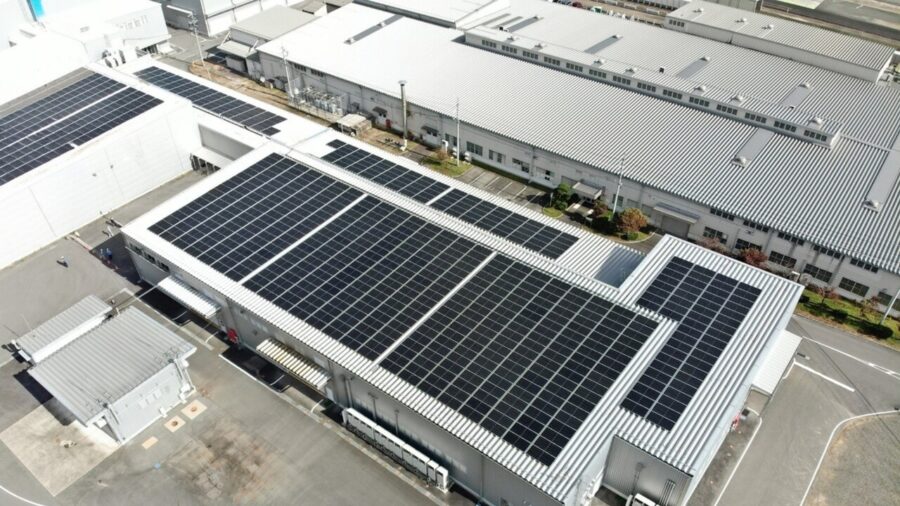
Mazda is increasing its investment in renewable energy infrastructure across its global manufacturing facilities. The automaker announced plans to expand its use of solar power and energy storage systems to reduce the carbon footprint of its production operations.
Expansion of Solar Infrastructure
The company will install additional solar panels at its production plants. This initiative aims to increase the volume of electricity generated on-site, decreasing reliance on traditional power grids. These installations are part of a broader strategy to integrate sustainable energy sources directly into the manufacturing process.
Deployment of Battery Storage Systems
Alongside solar generation, Mazda is implementing dedicated battery storage systems. These units will store excess energy produced by solar panels, ensuring a stable power supply during peak demand or low-generation periods. This step is designed to optimize the efficiency of the company’s renewable energy mix.
Extension of Power Purchase Agreements
Mazda is extending its use of Power Purchase Agreements (PPAs) to secure long-term renewable energy supplies. By entering these contracts, the manufacturer locks in procurement from renewable sources for its facilities. This move supports the company’s efforts to transition its production sites toward carbon neutrality.
Current Status
The company is in the process of scaling these renewable energy technologies across its manufacturing network. These combined efforts in solar generation, storage, and long-term procurement agreements form the core of Mazda’s updated strategy for sustainable production.
Why it matters: As global automotive markets face increasing pressure to adopt green manufacturing standards, Mazda’s strategy highlights the industry-wide shift toward on-site energy independence. For regions with growing industrial sectors, this model demonstrates how heavy manufacturing can utilize Power Purchase Agreements and on-site storage to mitigate energy costs and carbon output.