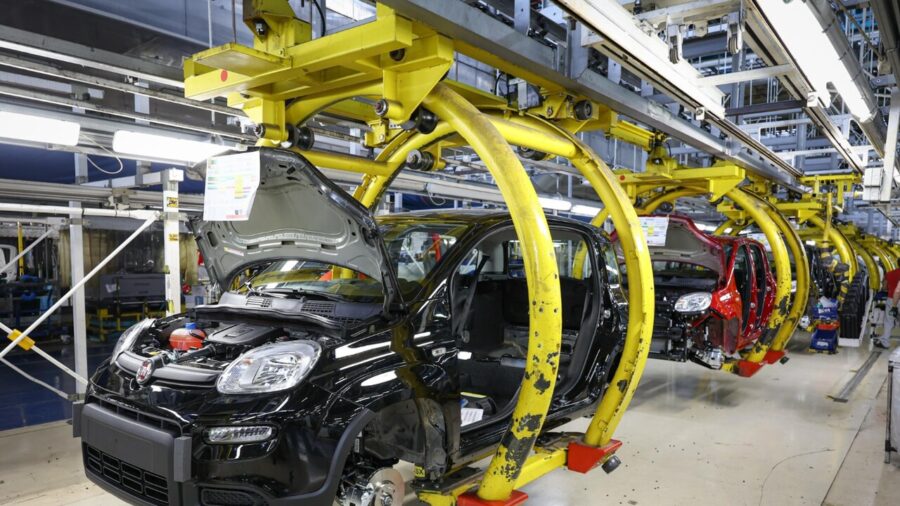
Stellantis is considering temporary production pauses at its Mirafiori and Pomigliano d’Arco facilities in Italy due to a shortage of a specific vehicle component. The automotive manufacturer has not finalized dates for the potential shutdowns but indicated that the supply chain issue is impacting manufacturing schedules.
Key Developments
- Component shortage: A lack of essential parts is disrupting operations at key Italian manufacturing sites.
- Potential stoppages: Management is evaluating temporary closures at the Mirafiori and Pomigliano factories to manage inventory.
- October performance: Fiat reported a decline in production volumes and market share during October.
- Supply chain pressure: The company cited logistical difficulties as a primary factor influencing current output levels.
Production Challenges
The potential pauses follow a difficult period for the automaker in the Italian market. Stellantis reported that operational challenges throughout October negatively affected both production output and Fiat’s overall market share. The company has faced ongoing hurdles in maintaining consistent manufacturing flow, which analysts attribute to broader automotive supply chain volatility.
Impact on Manufacturing
Mirafiori, located in Turin, and the Pomigliano d’Arco plant near Naples remain central to the company’s European manufacturing strategy. Any disruption at these sites affects not only the Fiat brand but also the broader network of suppliers that feed into the production lines. Stellantis officials stated they are monitoring the component availability closely to determine if full production halts are required.
Why it matters: As a major employer and industrial force in Italy, Stellantis’s production stability directly influences the country’s manufacturing sector. Supply chain disruptions in European automotive hubs often signal broader economic pressures affecting the global auto industry, including markets in the Middle East and North Africa that rely on these manufacturing chains for vehicle imports.