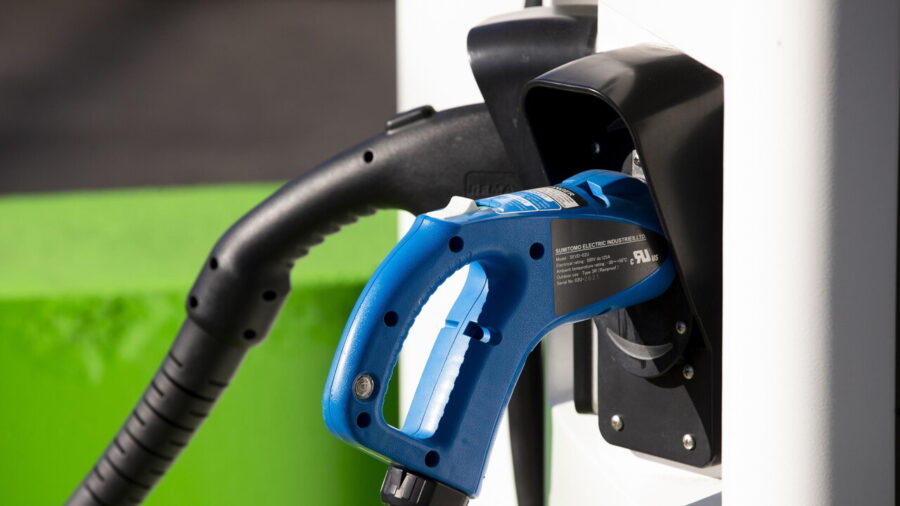
The provincial government of South Tyrol has launched a new financial incentive program to encourage the purchase of zero-emission vehicles. Residents and businesses in the region are now eligible for a 2,000-euro subsidy when buying electric cars or other qualifying low-impact transport options.
The initiative aims to accelerate the adoption of sustainable mobility solutions across the region. Officials stated that the grants are intended to offset the initial costs associated with transitioning away from combustion engine vehicles. The program is part of a broader environmental strategy to reduce carbon emissions within the Alpine province.
Program Details and Eligibility
The subsidy is available for the purchase of new vehicles that produce zero tailpipe emissions. According to regional authorities, applicants must meet specific criteria to qualify for the funding. The program is structured to support both private citizens and commercial entities looking to modernize their vehicle fleets.
Interested parties can submit applications through the provincial administration’s official portal. The funds will be distributed on a first-come, first-served basis until the allocated budget is exhausted. The government has not specified an end date for the program, noting it will remain active as long as funding permits.
Context of Regional Sustainability
South Tyrol has consistently implemented policies focused on environmental protection due to its unique ecosystem. This latest measure follows previous efforts to promote public transportation and cycling infrastructure. By incentivizing private electric vehicle ownership, the provincial government seeks to align local transport habits with broader European Union climate targets.
Why it matters: This incentive program serves as a practical model for sub-national governments seeking to lower regional carbon footprints. For readers in the Middle East and Egypt, where urban pollution and energy transitions are growing policy priorities, the South Tyrolean approach highlights how direct financial subsidies can be utilized to shift consumer behavior toward sustainable transportation alternatives.