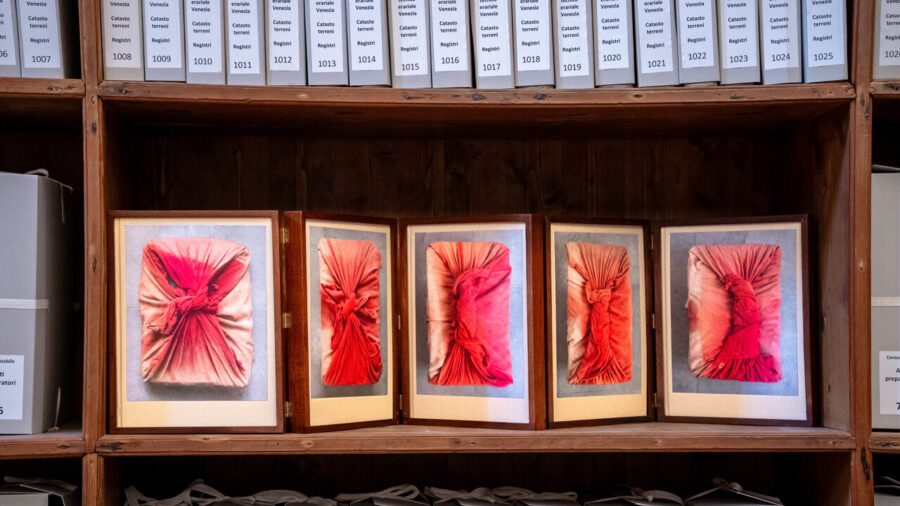
Visitors to Palazzo Mazzonis are encountering a new perspective on history this week as the MAO Museum of Oriental Art launches the fourth edition of its “Declinazioni Contemporanee” project. The initiative invites five contemporary artists to interact with the museum’s permanent collections, offering fresh interpretations of ancient artifacts.
A Dialogue Between Eras
The exhibition transforms the gallery spaces into a collaborative environment where historical objects meet modern creative expression. Artists working in various media, including photography, ceramics, and installation art, have produced new works specifically for this project. The pieces are positioned alongside the museum’s traditional displays, encouraging viewers to draw connections between historical craftsmanship and current artistic practices.
Museum curators designed the project to break the static nature of traditional museum exhibitions. By integrating contemporary responses, the organizers aim to demonstrate the ongoing relevance of the artifacts housed within the collection. The participating artists were given access to the museum’s archives, allowing them to select specific items that resonated with their own stylistic approaches.
Impact and Future Outlook
The “Declinazioni Contemporanee” series serves as a bridge between the museum’s preservation mission and the evolving landscape of contemporary art. While previous editions have focused on specific regional collections, this iteration expands the scope to include a broader range of artistic techniques. The museum plans to continue this series, viewing it as a vital strategy for engaging younger audiences and those interested in how historical narratives are retold through modern lenses.
Why it matters: This exhibition highlights the necessity of keeping cultural heritage sites dynamic. For institutions in the Middle East and Egypt, where vast historical collections are often presented in traditional formats, this approach offers a model for revitalizing public interest and fostering new scholarship through interdisciplinary collaboration.