The United States and China are increasingly leveraging export restrictions as a primary tool to influence the trajectory of global artificial intelligence development. Both nations are implementing strategic policies aimed at establishing their respective AI models and semiconductor chips as the dominant global standards.
Key Developments in AI Geopolitics
- Strategic positioning: Both Washington and Beijing are competing to ensure their technological frameworks become the primary influence within their diplomatic and economic spheres.
- Export controls: Restrictions on the sale and movement of critical AI hardware have emerged as a central geopolitical instrument in this rivalry.
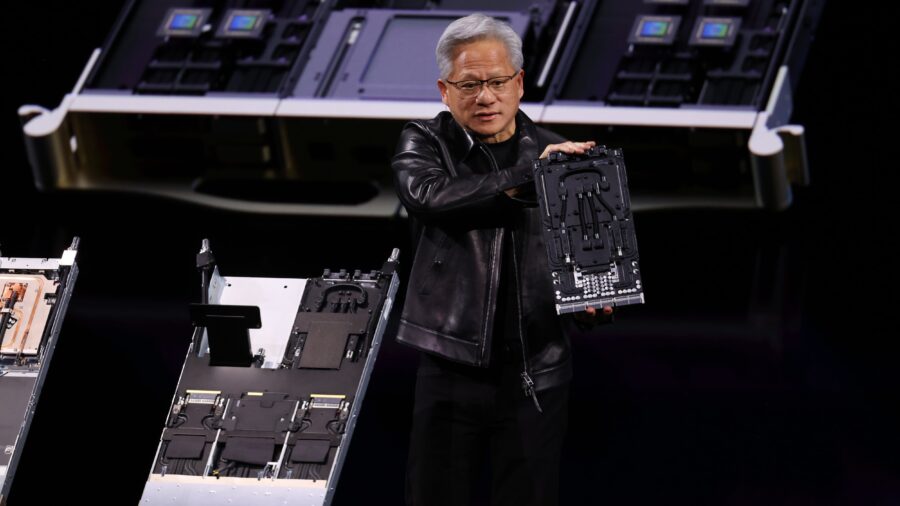
- Technological dominance: The race for supremacy is no longer just about software capabilities but is deeply tied to the control of physical AI infrastructure, specifically high-end chips.
- Evolutionary governance: Governance frameworks for artificial intelligence are shifting rapidly, mirroring the dynamic and fast-paced nature of the technology itself.
The Battle for Standards
The rivalry between the United States and China has transformed into a contest over whose technological standards will prevail. By controlling the flow of essential AI components, both powers seek to dictate the environment in which future AI systems are developed and deployed. This approach extends beyond domestic policy, as both countries attempt to integrate their standards into their respective international spheres of influence.
The Role of Semiconductor Policy
Export restrictions have become the most sought-after geopolitical tool in this conflict. These measures are designed to limit the access of competitors to advanced computing power, thereby influencing which AI models can be trained and operated effectively. Observers note that these restrictions define the true theater of the technological rivalry between the two nations, as control over hardware directly impacts the ability to innovate and scale artificial intelligence applications globally.