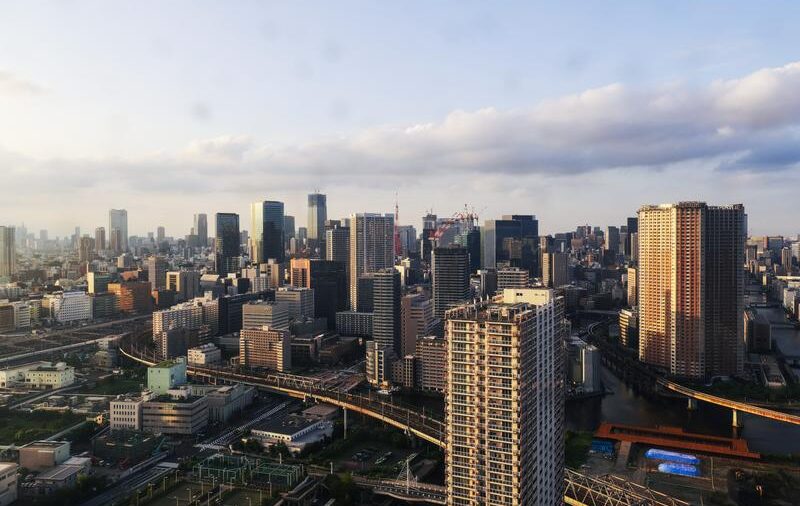
The Tokyo metropolitan government is drafting a proposal to construct small-scale, publicly operated crematoriums across the city’s 23 wards. This initiative aims to address a critical shortage of funeral infrastructure as Japan’s annual death toll continues to rise.
Key Developments in Funeral Services
- Projected demand: Annual deaths in Japan are currently exceeding 1.5 million, with forecasts suggesting the figure could surpass previous estimates of 1.65 million by 2040.
- Infrastructure strain: Existing facilities are struggling to keep pace, with reports in Chiba Prefecture indicating wait times for cremation services reaching up to 10 days.
- Zoning challenges: Establishing new crematoriums is difficult due to high construction costs and strict zoning regulations that limit potential sites.
- Private sector response: Businesses known as “itai hotels” have emerged, offering refrigeration services to preserve bodies until cremation slots become available.
- Strategic planning: The government aims to prioritize locations with the highest need and may consider relaxing zoning restrictions to facilitate construction.
Addressing the Capacity Crisis
Cremation is the standard method for handling remains in Japan. While this practice requires less land than traditional burial plots, the specialized facilities required for the process are limited. The resulting supply and demand imbalance has caused funeral costs to rise.
Private “corpse hotels” provide a temporary solution by allowing families to visit loved ones in home-like environments while waiting for cremation services. These facilities charge daily rates ranging from 10,000 to 200,000 yen, depending on the service level.
Long-term Infrastructure Considerations
Government officials acknowledge that the current surge in demand is temporary, as Japan’s overall population is shrinking. This demographic reality complicates large-scale infrastructure investments. Publicly operated facilities offer an advantage, as they can be closed or repurposed more easily than large, permanent private developments once the peak death rate passes.