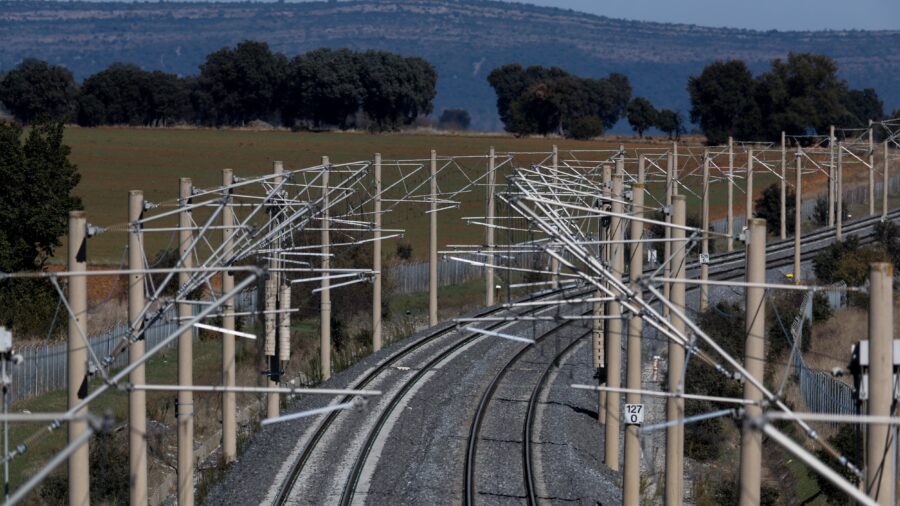
A recent fatal accident in Spain has prompted public discourse regarding the impact of rail market deregulation on safety standards. Critics have suggested that the liberalization of high-speed rail transport may have contributed to a reduction in infrastructure investment, including essential safety measures.
The Accident and Public Reaction
Following a tragic incident occurring slightly over a week ago, observers began scrutinizing the economic policies governing the Spanish rail sector. Public debate has intensified, with some commentators arguing that the privatization and market opening processes are linked to the disaster.
The Economic Argument
Economists are now addressing the distinction between liberalization and privatization. While some critics claim that opening the high-speed rail market to competition necessitated cost-cutting measures that compromised safety, industry analysts are examining whether regulatory frameworks adequately prioritize maintenance and security protocols amidst these structural changes.
Current Status
The investigation into the rail accident continues as experts weigh the validity of claims linking market deregulation to operational safety. While the debate persists, the core question remains whether competitive pressures in the high-speed rail sector have directly impacted the allocation of safety-related capital expenditures.
Why it matters: This discussion highlights the global challenge of balancing transport efficiency with public safety. For emerging markets and nations like Egypt, which are actively expanding high-speed rail infrastructure, the Spanish experience serves as a case study on the risks of prioritizing market liberalization over robust, state-backed safety oversight.