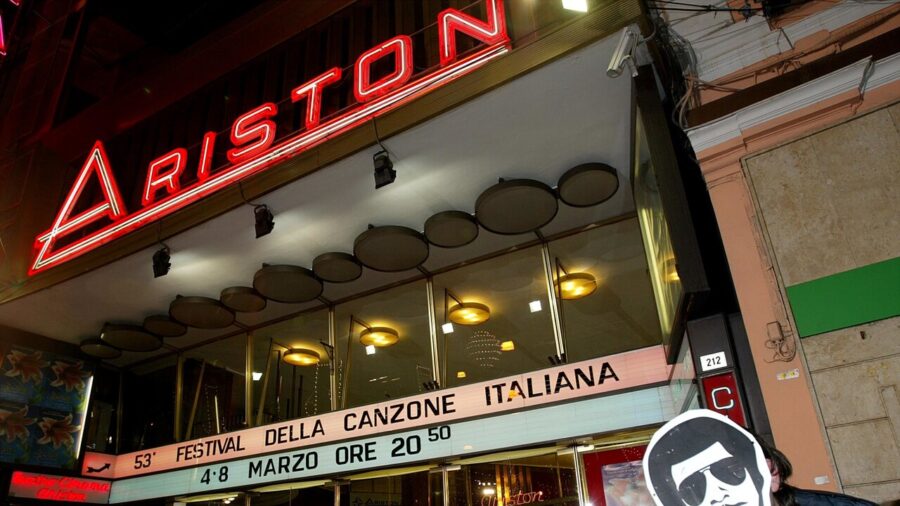
Television presenter Stefano De Martino recently characterized the Ariston Theater in Sanremo as a compact space that relies on a specific kind of atmosphere. He described the venue, which hosts the annual Sanremo Music Festival, as a small provincial cinema that transforms into a massive stage.
A Challenging Production Environment
De Martino noted that the theater’s limited physical dimensions present significant production hurdles. He categorized the annual broadcast as an acrobatic challenge for organizers and performers alike. Despite the spatial constraints, he attributed the festival’s enduring appeal to an intangible quality he described as magic.
The Ariston Theater has served as the permanent home for the Sanremo Music Festival since 1977. Its layout, originally designed for film screenings, often forces technical crews and set designers to maximize vertical space and utilize complex staging techniques to accommodate large orchestras and elaborate performances.
Future Implications for the Festival
The festival remains a cultural staple in Italian broadcasting, consistently drawing millions of viewers despite the logistical difficulties of the venue. Organizers continue to balance the theater’s historic limitations with the increasing demand for high-production-value television. As the event approaches, discussions regarding technical updates and stage management remain a priority for the production team.
Why it matters: The Sanremo Music Festival is a major cultural event that influences the Italian music industry and television landscape. De Martino’s comments highlight the ongoing tension between preserving traditional, historic venues and meeting modern broadcast standards, a dynamic frequently observed in the management of cultural landmarks across the Middle East and globally.