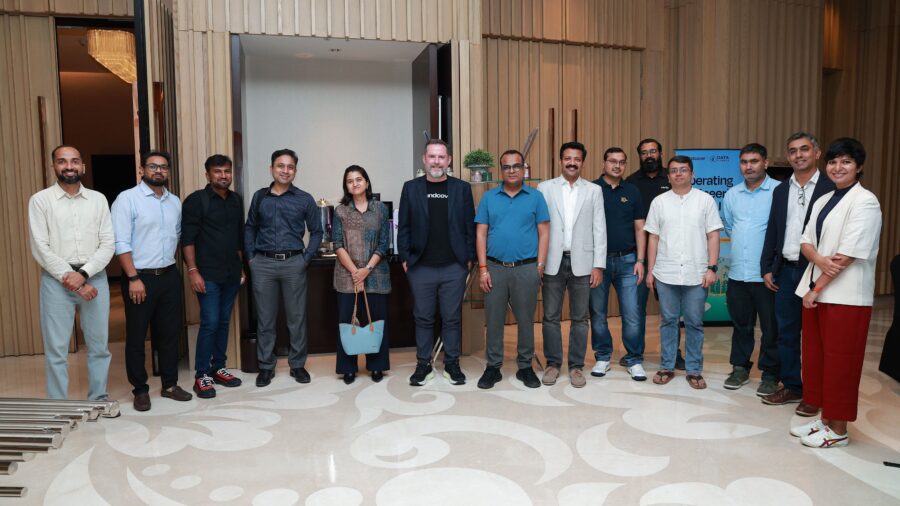
Engineering executives from various sectors met recently to discuss the challenges of integrating artificial intelligence into software development. While AI tools have accelerated coding speeds, participants at the roundtable event reported that the primary operational challenge has shifted toward maintaining system security and reliability.
The New Bottleneck in Development
The roundtable, moderated by Ipshita Basu, included technology leaders from logistics, fintech, healthcare, and e-commerce. Participants agreed that while AI allows for the rapid generation of code, it creates new pressures downstream. With agents producing large volumes of material, organizations face difficulties in reviewing, testing, and monitoring multiple daily deployments. Leaders noted that their teams now prioritize design, context, and governance over writing individual software components.
Several executives stated that AI agents are only effective when provided with accurate context. Many organizations currently lack the repository knowledge, documentation, and templates necessary to utilize these agents reliably.
Defining Boundaries for AI Autonomy
The group discussed a progressive framework for AI usage. Participants generally agreed that reversible, read-only tasks—such as generating reports or fetching data—can be automated with minimal friction. However, irreversible actions, including database updates or data deletion, remain under human supervision.
Attendees shared several strategies for maintaining control:
- The ‘four eyes’ model: AI handles analysis, deterministic rules provide outcomes, and a human provides final sign-off.
- Risk scoring: Reviews are prioritized based on the severity and frequency of potential issues.
- Domain separation: Engineers use agents for routine tasks, while production ownership remains with personnel capable of manual debugging.
Looking ahead, participants suggested that AI could eventually handle initial incident investigation, providing human operators with reports rather than requiring manual intervention during off-hours.