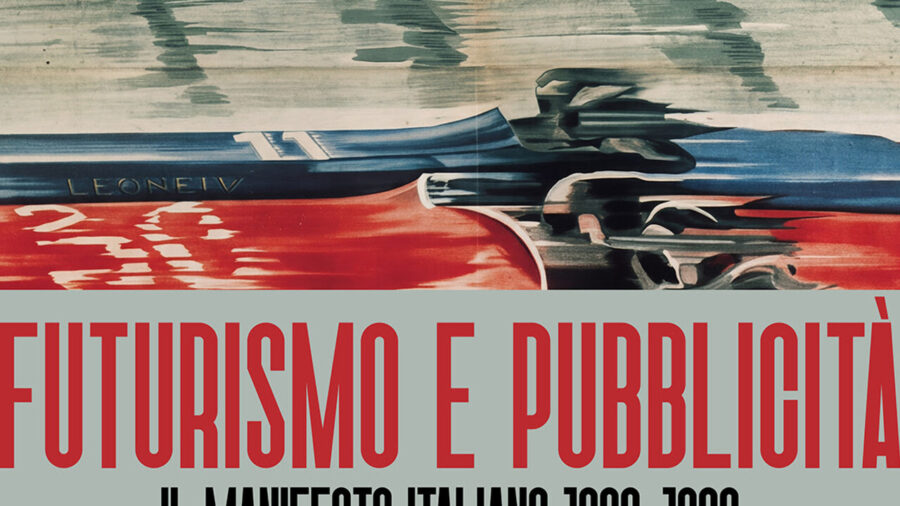
A new exhibition in Milan highlights the intersection of Futurism and advertising, featuring works from the Fondazione Cirulli collection. The display, titled “The Italian Poster 1909-1939,” examines the development of a distinct visual language during the early 20th century.
Key Takeaways
- Historical scope: The collection spans three decades, covering the period from 1909 to 1939.
- Artistic focus: The exhibition emphasizes the influence of the Futurist movement on commercial design.
- Visual evolution: Curators explore how artists developed new graphic techniques for advertising.
- Source material: All featured works originate from the Fondazione Cirulli archives.
- Cultural context: The show documents the rise of modern communication strategies in Italy.
The Rise of Modern Italian Graphic Design
The exhibition traces the origins of the Italian poster as a primary medium for visual communication. By blending avant-garde art with commercial interests, early 20th-century designers transformed how products were presented to the public. The pieces on display illustrate how the Futurist movement, known for its emphasis on speed, technology, and dynamism, fundamentally altered graphic design practices.
Organizers stated that the selection highlights a shift in artistic approach. Rather than relying on traditional illustration, artists began experimenting with new layouts, typography, and color schemes to capture consumer attention. The transition reflects broader changes in Italian society as it moved toward industrialization.
Preserving the Futurist Legacy
The Fondazione Cirulli collection serves as the primary source for the exhibition. The foundation maintains an extensive archive dedicated to the preservation of 20th-century Italian art and design. By organizing these works, the institution aims to provide insight into the intersection of fine art and commercial application. The exhibition serves as a record of how historical design trends continue to influence contemporary advertising standards.