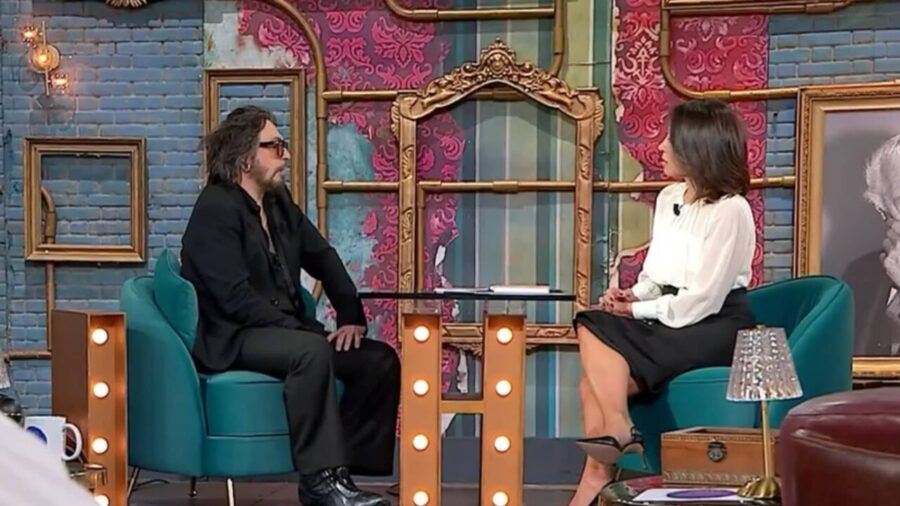
Italian musician Francesco Sarcina has publicly criticized contemporary artists Tony Effe and Fedez, arguing that heavy reliance on autotune technology obscures their vocal capabilities. Sarcina, a prominent figure in the Italian music scene, suggested that the current trend of digital vocal correction undermines the authenticity of musical performance.
Key Takeaways
- Autotune criticism: Sarcina claims artists like Tony Effe and Fedez use technology to mask vocal limitations.
- Technological reliance: The musician argues that digital tools are replacing traditional vocal technique in modern pop music.
- Personal conflict: Sarcina addressed his fractured relationship with actor Riccardo Scamarcio.
- Betrayal cited: He stated he cannot forgive Scamarcio for past actions, despite their previous closeness.
- Broken trust: Sarcina noted he would have previously trusted the actor with his own children.
Vocal Authenticity in Modern Music
In recent remarks, Sarcina questioned the artistic validity of current chart-topping performers. He specifically singled out Tony Effe and Fedez, asserting that their heavy use of pitch-correction software, commonly known as autotune, prevents audiences from hearing their natural voices. According to Sarcina, this practice creates a disconnect between the recorded product and the actual vocal talent of the performers.
Strained Personal Ties
Beyond his commentary on the music industry, Sarcina discussed his personal history with actor Riccardo Scamarcio. Sarcina characterized his relationship with the actor as deeply compromised, stating that he does not intend to offer forgiveness for past grievances. Reflecting on the depth of their former friendship, Sarcina revealed that his trust in Scamarcio was once absolute, noting that he would have entrusted the actor with the care of his own children before the fallout.
Why it matters: This story highlights ongoing debates within the music industry regarding the impact of digital production tools on artistic integrity. Furthermore, the public airing of personal grievances between prominent Italian cultural figures underscores the intersection of celebrity personal lives and public discourse.