A Mirror of Violence
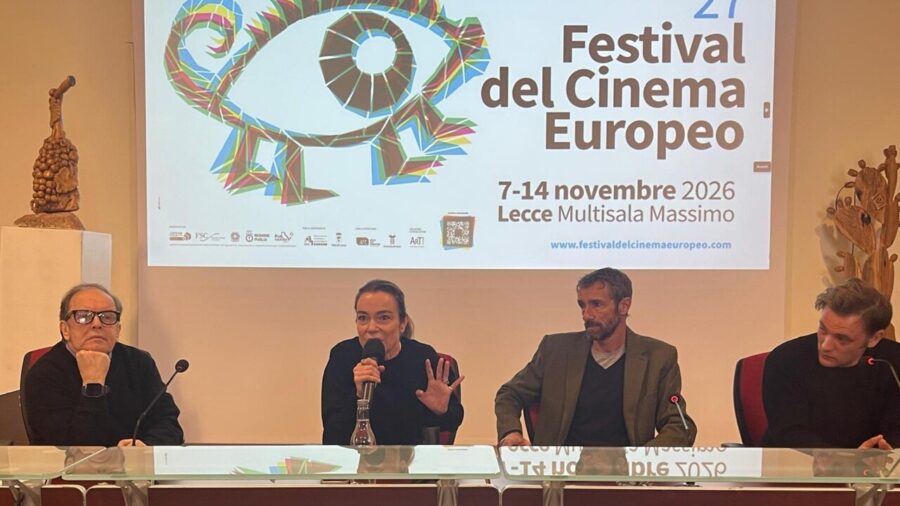
Italian actress and director Stefania Rocca stood before an audience in Lecce to present her latest feature film, L’ora di tutti. The screening served as the opening event for the European Film Festival, marking a significant moment for the production.
Rocca described the film as a reflection of violence, specifically targeting how it affects both individuals and entire populations. Through her directorial lens, she seeks to draw parallels between the personal trauma of women and the broader suffering experienced by nations.
Festival Opening and Themes
The film’s debut at the Lecce-based festival highlights the ongoing dialogue surrounding gender-based violence in contemporary European cinema. By positioning L’ora di tutti as the opening selection, organizers emphasized the relevance of the director’s exploration of societal conflict and personal endurance.
The narrative structure of the film attempts to connect domestic struggles with geopolitical instability, a theme that has increasingly gained traction in recent film festival circuits. Rocca’s work aims to provoke discussion about the systemic roots of aggression and the long-term impact on marginalized groups.
As the European Film Festival continues, L’ora di tutti is expected to serve as a case study for discussions regarding the role of political cinema in addressing human rights issues. The festival will host further screenings and panels exploring similar themes throughout the week, offering a platform for filmmakers to engage with these complex societal challenges.
Why it matters: The film brings urgent attention to the intersection of personal safety and national stability. By framing violence against women as a reflection of broader societal conflict, the work contributes to an essential, ongoing discourse on human rights that resonates across international borders, including in the Middle East and Egypt, where similar conversations about gender equality and political stability remain critical.