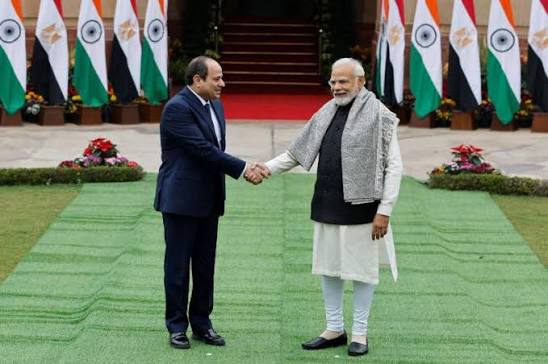
Cultural and diplomatic ties between India and Egypt remain active, bridging contemporary performance art with a shared history of anti-colonial struggle. A recent event in Cairo served as a reminder of the deep-rooted partnership that has evolved from the mid-20th century to the present day.
April 1955
Egypt and India formalized their diplomatic relationship by signing a Treaty of Friendship. This agreement laid the foundation for cooperation between President Gamal Abdel Nasser and Prime Minister Jawaharlal Nehru. Both leaders sought to navigate the complexities of the post-imperial global order by establishing a path independent of major power blocs.
1961
The two nations played instrumental roles in the formation of the Non-Aligned Movement (NAM). After hosting a preparatory meeting in Cairo earlier that year, Egypt and India joined other global leaders in Belgrade to formally launch the movement. This initiative emphasized that nations with diverse political systems could collaborate to influence international affairs while maintaining independent judgment.
22 October 2026
The Embassy of India in Egypt hosted a cultural event titled “Kathak Sandhya” at the Gomhoria Theatre in Cairo. The performance featured Indian classical dance, Bollywood selections, and a solo performance by Kathak exponent Sonam Chauhan, who interpreted a song by Oum Kalthoum. The event highlighted the integration of Indian popular culture within the Egyptian cultural landscape.
Continued Strategic Cooperation
The historical relationship has transitioned into modern strategic frameworks. The two nations elevated their bilateral ties to a Strategic Partnership in 2023. Additionally, Egypt joined the BRICS bloc in January 2024, continuing the tradition of seeking collaborative international arrangements.
Why it matters: This story underscores the endurance of the Egypt-India relationship, moving beyond political agreements to include significant cultural exchange. For readers in the Middle East and Egypt, it highlights how historical alliances like the Non-Aligned Movement continue to influence modern economic and diplomatic strategies in an evolving global order.