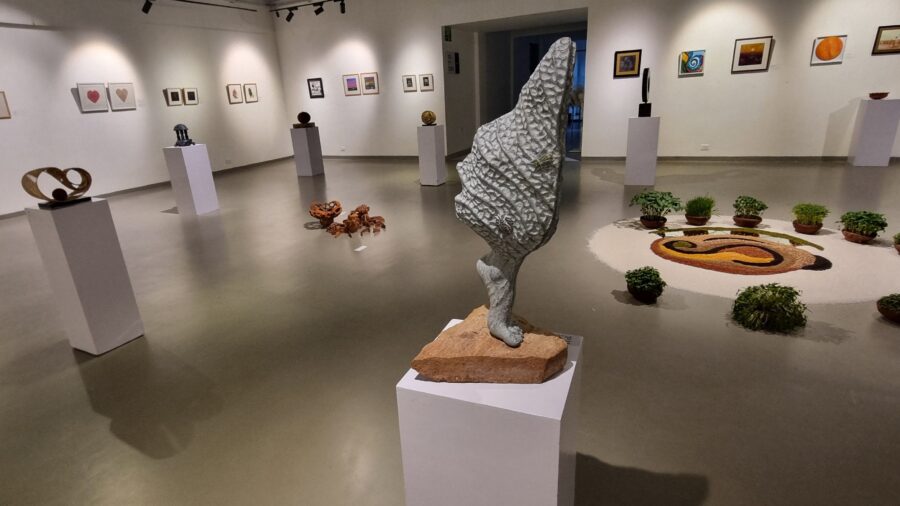
In the quiet corridors of healthcare facilities, art is increasingly serving as a tool for recovery. Artist and curator Bhagya Ajaikumar, who recently co-curated the Bhoomi exhibition at Bengaluru’s Venkatappa and Swasti galleries, views artistic curation as a balance between individual expression and a broader, collective vision.
The intersection of art and healing
The Swasti gallery, established in 2007, operates within a hospital environment to raise funds for the HCG Foundation, which supports cancer patients. Since 2018, the space has incorporated art therapy for patients and their families. Ajaikumar notes that dedicated art spaces in medical settings provide positive energy for those undergoing treatment.
Ajaikumar is currently expanding these initiatives. Her gallery is preparing art activities for pediatric oncology patients to mark Children’s Day this month. Additionally, the organization is installing artworks directly into consultation rooms across its hospital network.
Future exhibitions and symposiums
Beyond her work in healthcare, Ajaikumar is preparing for a solo presentation titled THANDAV. The exhibition, inspired by classical Indian dance, is scheduled for the RASA cultural festival in Bengaluru from January 8-10, 2027. She is also organizing the third International KALA Symposium in Mysuru, which will be hosted at Bharath Cancer Hospital.
Ajaikumar describes the symposium as a platform intended to connect fine art, healthcare philanthropy, and community development. Regarding broader trends, she observes a revival of traditional Indian art forms, such as Madhubani, Gond, and Pichwai. She notes these styles are increasingly presented through contemporary mediums like acrylics on canvas, minimalistic compositions, and unconventional materials.
Why it matters: Integrating art into clinical environments offers a practical application for creative work beyond gallery walls. For healthcare institutions, particularly in regions prioritizing holistic patient care, these initiatives demonstrate how artistic engagement can serve as a catalyst for both healing and community development.