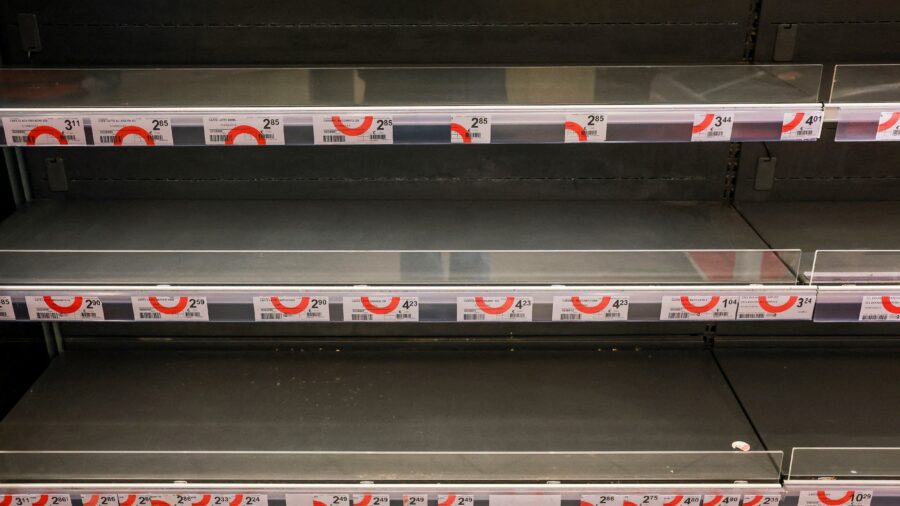
A remote cyberattack targeting nearly 800 supermarket freezers across France and Northern Europe has resulted in the destruction of thousands of tons of food. The incident, which did not require physical access to the facilities, exploited security vulnerabilities in internet-connected refrigeration systems.
Key Takeaways
- Remote compromise: Attackers successfully manipulated refrigeration units from a distance without entering the premises.
- Food security impact: Thousands of tons of perishable goods were destroyed as a direct result of the breach.
- Low-cost operation: The attack required minimal resources, demonstrating the efficiency of such digital sabotage.
- Security warning: Experts are urging retailers to segment networks and encrypt access methods to prevent future incidents.
- Geopolitical implications: Analysts suggest this event may represent a new form of geopolitical pressure.
Vulnerabilities in Connected Systems
The incident highlights the risks associated with critical infrastructure connected to the internet. Security experts emphasize that the ease with which attackers disabled these systems underscores the fragility of essential services. By exploiting weaknesses in cooling systems, unauthorized actors were able to compromise food supplies without a significant financial investment.
Preventative Measures
Industry analysts are recommending that businesses implement robust cybersecurity protocols to protect against similar threats. Primary strategies include the segmentation of networks, which limits the potential spread of an attack, and the rigorous encryption of all access methods. These measures aim to prevent remote interference with hardware that is critical to daily operations.
Geopolitical Concerns
The nature of the attack has prompted speculation regarding its origins and intent. While the incident resulted in immediate logistical and financial losses for retailers, analysts are questioning whether this represents a shift toward using digital infrastructure sabotage as a tool for geopolitical influence. The event has forced a reevaluation of how essential supply chain networks are secured against external interference.