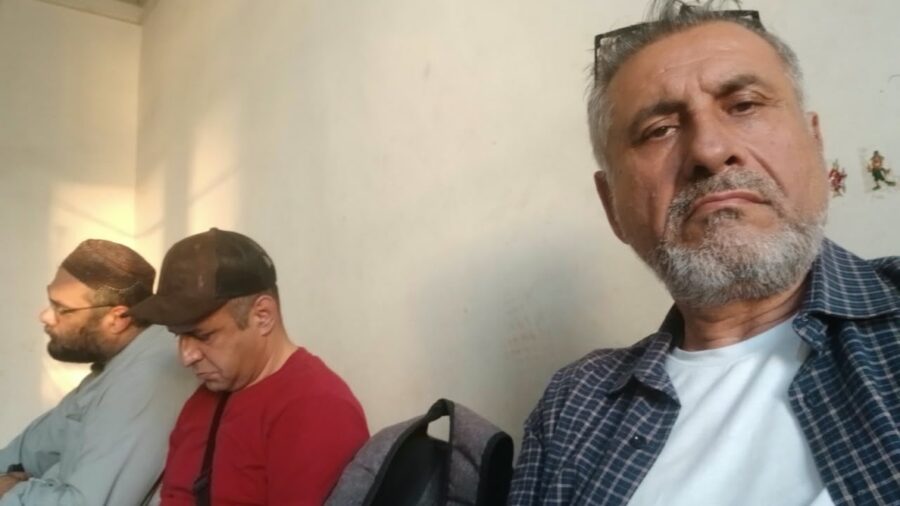
Three of the four Afghan chess players who travelled abroad to compete in last week’s Chess Olympiad in Samarkand were arrested at the border on their return, highlighting the harsh reality of the Taliban’s ban on the game.
Key takeaways
- Arrest at the border: The trio was detained in Kabul as they crossed back into Afghanistan.
- Home confinement: They are now under house arrest in the capital, facing possible corporal punishment.
- One player spared: The fourth teammate returned without incident.
- International response: Spain’s MEP Ignacio Sánchez Amor has asked the European Parliament to discuss the case, and FIDE says it is pursuing diplomatic support.
Detention and risk
The three players were stopped on Monday while re‑entering Afghanistan, where the Taliban consider chess forbidden. Officials say the men are confined to their homes in Kabul and could face severe penalties, including physical punishment, under the current regime.
Contrast with the fourth teammate
Unlike his colleagues, the fourth competitor managed to cross the border without being stopped and has not reported any retaliation, underscoring the unpredictable enforcement of the ban.
Calls for diplomatic action
Spain’s socialist and democratic group, led by MEP Ignacio Sánchez Amor, is urging the European Parliament to raise the issue. The International Chess Federation (FIDE) announced it is launching diplomatic efforts to assist the detained players.