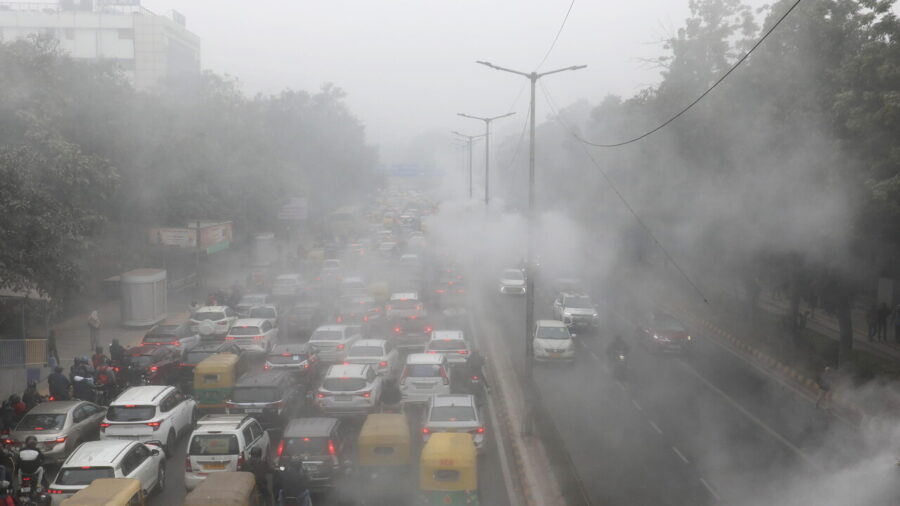
A thick layer of smog blanketed New Delhi this week, reducing visibility and raising health concerns across the Indian capital. The deterioration in air quality followed Diwali, the festival of lights, during which residents largely ignored official restrictions on the use of firecrackers.
Pollution Sources Converge
Authorities had imposed a ban on the sale and use of firecrackers to curb the seasonal spike in pollution. Despite these measures, residents continued to set off fireworks throughout the holiday, contributing to the toxic haze lingering over the city. Environmental experts have identified several persistent factors driving the poor air quality in the region:
- Heavy vehicular traffic emissions
- Industrial activity and manufacturing pollutants
- The seasonal burning of crop stubble in neighboring agricultural states
These combined sources create a critical air quality situation every year as winter approaches, trapping pollutants near the ground due to changing weather patterns.
Public Health Concerns
The persistent smog poses significant risks to residents, particularly those with pre-existing respiratory conditions. Hospitals in the city frequently report increased patient intake for breathing difficulties during this period. While local government agencies have implemented various mitigation strategies, such as water sprinkling on roads and traffic management, the recurring nature of the pollution remains a challenge for urban planners and environmental regulators.
Why it matters: The situation in New Delhi highlights the ongoing difficulty of balancing cultural traditions and economic activity with public health mandates. For cities across the Middle East and globally, the struggle to manage seasonal air quality crises amidst rapid urbanization serves as a critical case study in environmental governance.