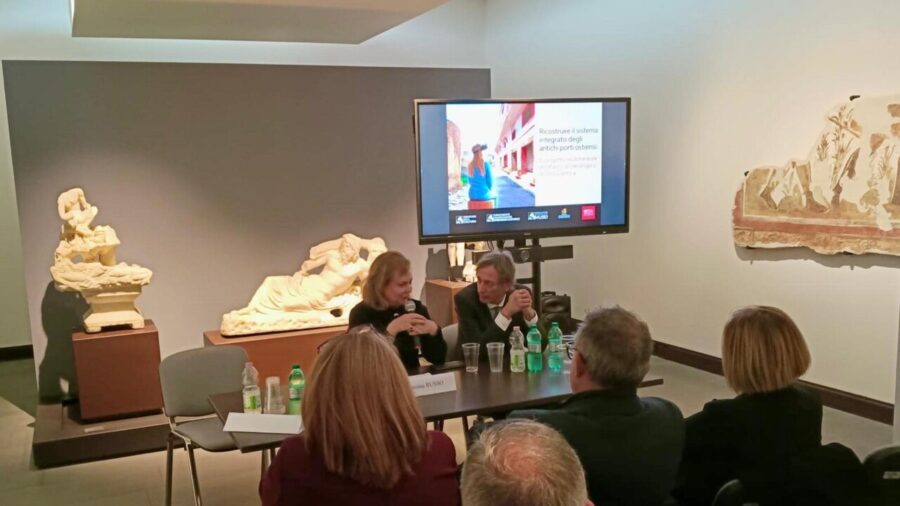
Visitors to the archaeological site of Ostia Antica can now access a new multimedia experience designed to enhance historical exploration. The project integrates a dedicated mobile application and virtual reality headsets, offering an immersive look at the ancient Roman harbor city near Rome.
The initiative aims to bridge the gap between archaeological ruins and their original appearance during the Roman Empire. By using digital tools, tourists can view reconstructions of buildings and streets that no longer stand in their entirety. This technology provides context to the physical remains, allowing users to visualize the daily life and architectural scale of the ancient settlement.
Digital Integration in Archaeology
The implementation of this project follows a broader trend in cultural heritage management, where digital tools are increasingly employed to improve visitor engagement. The app functions as a guide, providing data and interactive maps as visitors walk through the excavation site. The virtual reality headsets offer a more focused experience, placing the viewer inside reconstructed interiors and public spaces.
Authorities managing the site have emphasized that these tools are intended to complement, rather than replace, the physical experience of walking through the ruins. The digital layers are designed to be accessible, requiring only standard mobile devices for the application component. The headsets are available at designated points within the park to ensure controlled usage and maintenance.
Context of the Site
Ostia Antica served as the primary harbor for Rome and played a critical role in the city’s supply chain and economy. Its preservation allows historians to study urban planning, commerce, and social structures of the Roman period. The addition of interactive technology serves as a tool for educational outreach, making complex archaeological data more digestible for the general public.