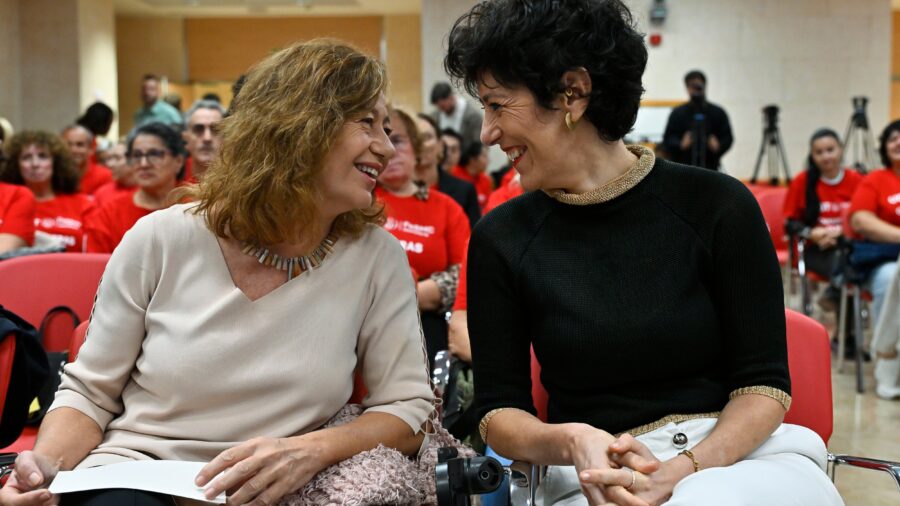
The Spanish government has launched the regulatory process to officially recognize common health conditions among hotel housekeepers as occupational illnesses. Social Security Minister Elma Saiz announced the move Monday during an industry assembly in Palma.
The Council of Ministers approved an urgent procedure last Tuesday to modify the official list of occupational diseases. The change will explicitly include hotel housekeepers, known locally as “kellys,” and the specific ailments associated with their physical labor. This decision addresses a long-standing demand from the sector, which employs approximately 175,000 workers across Spain.
Legislative Process Underway
The government’s initiative aims to align the classification of these health issues with the reality of the work performed by hotel cleaning staff. By incorporating these conditions into the national framework of occupational diseases, the government intends to provide legal and social security protections that were previously inaccessible to this workforce.
The sector is heavily feminized, and labor advocates have campaigned for years for this legal recognition. Current labor regulations often failed to account for the chronic physical strain and specific injuries sustained by housekeepers, which are now slated for formal inclusion in the national health registry.
Next Steps
Following the approval of the urgent processing request, the Ministry of Social Security will proceed with the necessary bureaucratic steps to finalize the inclusion of these conditions. Once the legal modifications are completed and published, workers in the sector will be able to claim these health issues as work-related, potentially altering how medical leave and disability benefits are managed for this group.
Why it matters: This regulatory shift represents a significant victory for a large, predominantly female workforce in Spain. By formally acknowledging the physical toll of hotel housekeeping, the government provides a mechanism for 175,000 workers to receive better protections and healthcare support for chronic, work-induced conditions.