A Retrospective on 1936
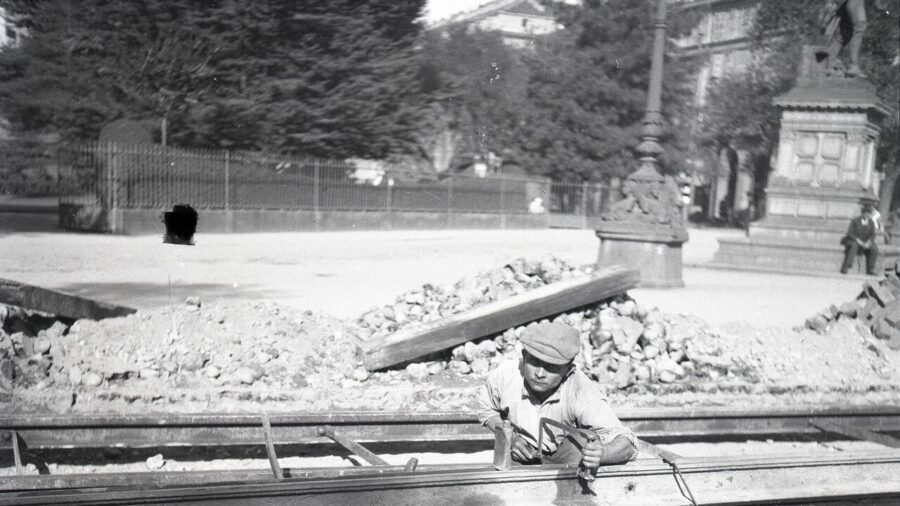
In 1936, the world was on the brink of profound change, and Turin was capturing moments of daily life through the lens of early film and photography. Today, the financial firm Ersel is revisiting that era to mark its 90th anniversary. The company has launched a collaborative exhibition that documents the social and cultural landscape of the city during its founding year.
The exhibition, hosted in partnership with the National Museum of Cinema, utilizes the museum’s extensive archives. Visitors can view a collection of vintage photographs, period film footage, and personal testimonies from the mid-1930s. The display focuses on the historical context of Turin, providing a visual timeline of the city’s development alongside the corporate history of the firm.
Preserving Cultural History
The collaboration highlights the intersection of private enterprise and public cultural heritage. By curating materials from the National Museum of Cinema, Ersel aims to connect its corporate milestone with the broader history of the region. Organizers stated that the project serves as both a celebration of the company’s longevity and a contribution to the preservation of local memory.
The exhibition is currently open to the public, offering a glimpse into the aesthetic and social norms of 1930s Italy. While the firm looks back on nearly a century of operations, it positions this event as an opportunity for the community to engage with archival material that might otherwise remain unseen. The company plans to continue its commemorative activities throughout the year as it marks its transition into its tenth decade of business.
Why it matters: This exhibition demonstrates how long-standing institutions can leverage historical archives to bridge the gap between corporate identity and local cultural heritage. For regional observers, it highlights the value of preserving institutional history as a means of contextualizing economic longevity within a specific social and historical framework.