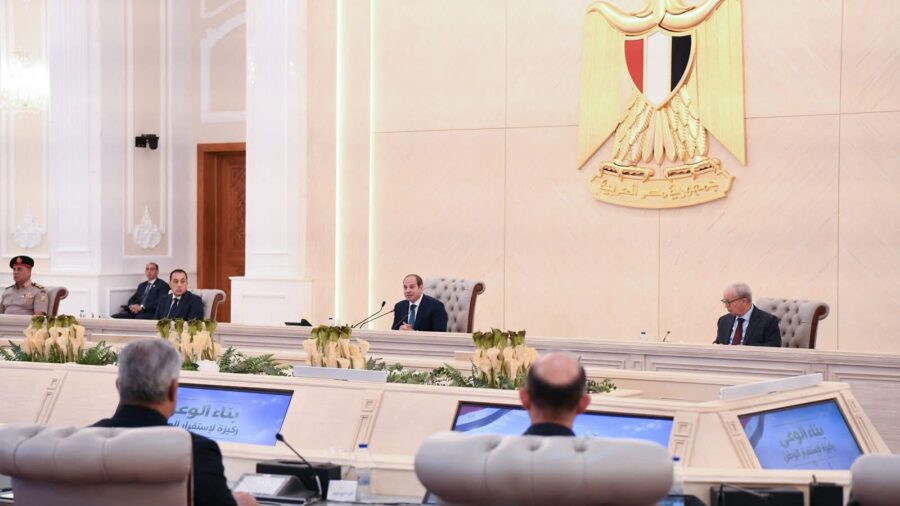
In a modest meeting room at the Strategic Command headquarters in Egypt’s New Capital, President Abdel Fattah Al‑Sisi listened as village representatives described daily water shortages, their voices a reminder of what is at stake.
Diplomacy with Limits
Al‑Sisi reaffirmed Egypt’s commitment to a negotiated settlement over Ethiopia’s Grand Ethiopian Renaissance Dam, emphasizing that peace must not jeopardise “the existence of Egypt and its people.” He told the assembled cabinet ministers, governors, military commanders and experts that while diplomacy remains the preferred path, the country will protect its water rights under international law.
The president linked the dam’s construction to Egypt’s own period of upheaval from 2011 to 2013, noting the heavy cost of instability and urging stronger domestic cohesion and public awareness. He highlighted ongoing projects to expand desalination, water‑treatment and reuse facilities as essential steps toward bolstering the nation’s water supply.
Broader Challenges and Outlook
Beyond the Nile, Al‑Sisi cited economic pressures: a $20 billion loss in Suez Canal revenue, successive shocks from the COVID‑19 pandemic, the Russia‑Ukraine war, the Gaza conflict, and rising oil and commodity prices. He called for regional peace, underscoring the Palestinian issue and the importance of free navigation of international waterways.