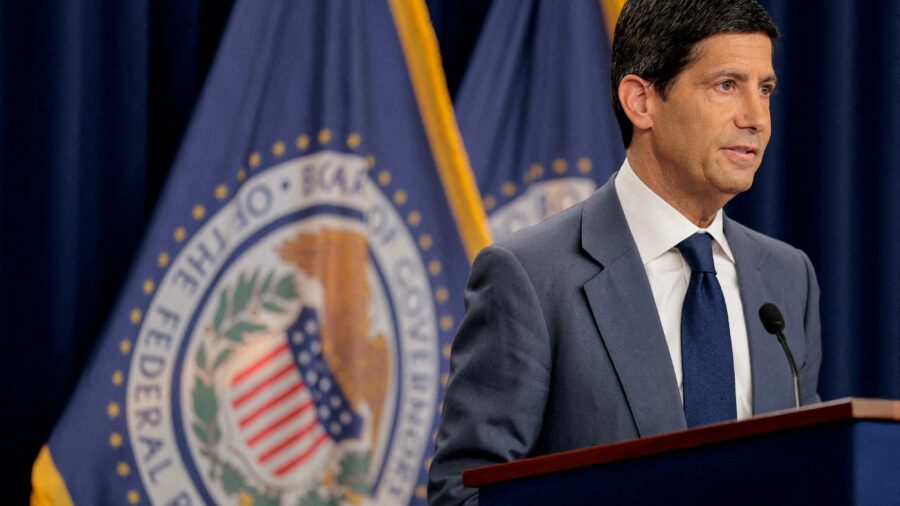
On a Saturday at a Kentucky racetrack, Kevin Warsh watched a horse he co‑owns cross the finish line first, earning roughly €1.75 million. The victory came just days before the U.S. midterm elections, which delivered a decisive blow to Republican candidates.
Election results change the political landscape
Tuesday night’s vote tally showed Republicans losing numerous seats in the House and Senate. The outcome limits the White House’s ability to advance its agenda of reshaping the Federal Reserve through new appointments and pressure tactics, analysts said.
Democrats, now holding a stronger foothold in Congress, can more effectively block attempts to influence the central bank’s independence. Their gains also force investors to reassess how the ongoing war in Iran and the rapid expansion of artificial‑intelligence technologies might affect inflation, according to market observers.
Warsh’s focus returns to monetary policy
Warsh, a former Fed governor, said the election results allow him to concentrate on monetary‑policy issues for the foreseeable future. He will remain in his current role until his term is up for renewal, a process expected to begin later this year.
He did not comment on the political shift but noted that a stable policy environment benefits both the financial system and the broader economy.
Why it matters: The midterm outcome curtails the Biden administration’s leverage over the Federal Reserve, preserving the central bank’s autonomy. For investors in the Middle East and Egypt, the reduced political pressure on the Fed may lessen volatility linked to regional conflicts and global AI-driven price changes, influencing credit conditions and capital flows in the region.