A customized approach to Indian tourism
When Himanshu Maru co-founded Bout India in 2013, he operated on a premise that international visitors to India preferred personalized experiences over pre-packaged itineraries. Based in Jaipur, the company launched with the goal of eliminating the rigid structures often found in traditional travel brochures.
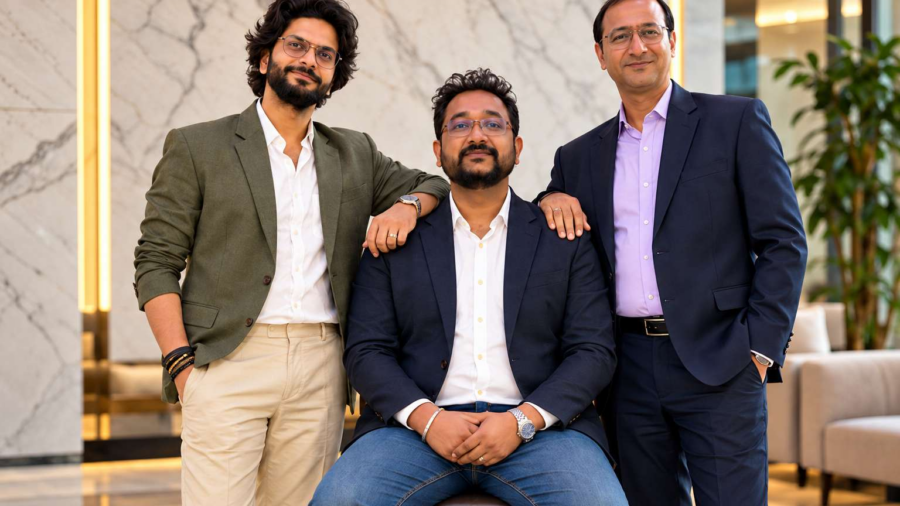
Maru, along with co-founders Bhupender Rana and Vinod Jhajharia, structured the business around the concept of tailor-made journeys. Rather than offering group tours, the company assigns a specific destination expert to each client. This individual manages the travel planning process from the initial inquiry through the duration of the trip. The company claims this model allows for adjustments based on a traveler’s specific interests and logistical needs, whether they are visiting heritage sites in Rajasthan, managing altitude acclimatization in Ladakh, or seeking wellness retreats in Kerala.
Measuring customer satisfaction
The company reports that its focus on individual planning has resulted in a strong reputation among its clientele. According to data provided by Bout India, the firm maintains an average rating of 4.9 out of 5 stars across more than 970 reviews on platforms like TripAdvisor and Google Maps. The company asserts that it has achieved a record of zero negative reviews and has served travelers from more than 50 countries.
While company-reported statistics are not independent audits, the frequent mention of specific staff members in online testimonials suggests a focus on personal accountability within the firm. The company also notes that it has retained repeat customers who have booked multiple trips.
Why it matters: The success of a bespoke travel model in a market as complex as India highlights a shift in tourism preferences. For travelers in the Middle East and beyond, this indicates a growing demand for specialized, high-touch services that navigate regional complexities, moving away from mass-market tourism products.