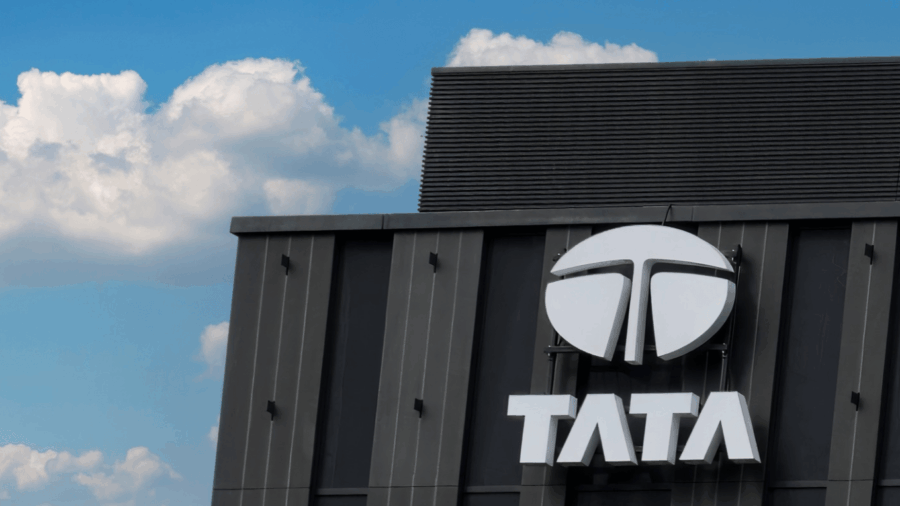
Three contract workers died Monday after inhaling toxic gases while performing maintenance at a Tata Electronics iPhone manufacturing facility in Hosur, Tamil Nadu. The incident occurred as the men were cleaning a nano-filtration feed tank operated by Nalco Water, a subsidiary of the U.S.-based company Ecolabs.
Investigation and Response
According to reports, the sequence of events began when one worker collapsed after looking into the tank. Two colleagues entered the unit to assist him and subsequently lost consciousness due to asphyxiation. All three were declared dead upon arrival at a hospital. While preliminary findings indicate toxic smoke inhalation, police stated the official cause of death remains pending autopsy results.
Nalco Water confirmed the workers were employed by one of its sub-contractors and stated it is cooperating with local authorities. Tata Electronics, Apple, and government officials have launched a joint investigation. A team from Apple is expected to visit the plant to assist in the probe, while officials from the Tamil Nadu Pollution Control Board and the Directorate of Industrial Safety and Health are examining the facility’s adherence to safety protocols. Reports indicate that proper safety measures were absent during the maintenance of the effluent treatment plant.
Facility Safety Record
The Hosur plant has faced several challenges since opening. In 2024, a fire at the facility injured eleven people and disrupted production. Earlier this year, the facility faced scrutiny regarding alleged wastewater contamination, which the company denied, citing regulatory compliance. Additionally, a ransomware group claimed in June to have leaked sensitive supplier files stolen from the site.
Why it matters: This incident highlights ongoing concerns regarding industrial safety standards within global electronics supply chains. For manufacturing hubs in the Middle East and Egypt, which are increasingly seeking to attract high-tech assembly investment, the case underscores the critical necessity of rigorous safety oversight and the reputational risks associated with operational failures.