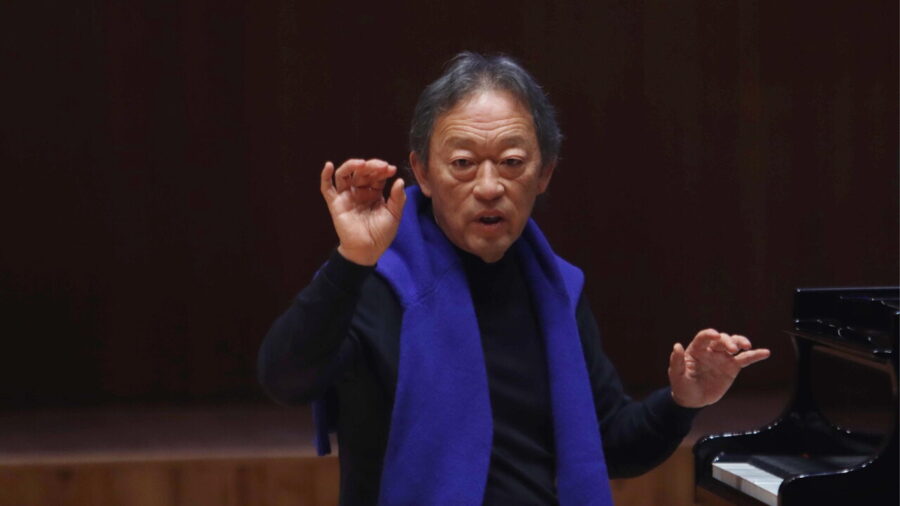
Renowned conductor Myung-Whun Chung delivered a masterclass at the Giuseppe Verdi Conservatory of Music in Milan, focusing on the complex narrative and musical depth of Giuseppe Verdi’s opera Otello. The event marked Chung’s first collaborative outing with the conservatory’s students.
During the session, Chung described Otello as a “terrible story” that requires careful interpretation to balance its dark themes with its artistic brilliance. He emphasized that the primary challenge for performers lies in navigating the tension between the tragic narrative and the score.
The Musicality of Tragedy
Chung argued that the true power of the piece resides in its music. He noted that while the plot centers on jealousy, betrayal, and violence, the score provides a transformative element. According to the maestro, the music transcends the grim subject matter, allowing the audience to engage with the work on a deeper emotional level rather than focusing solely on the brutality of the events portrayed on stage.
The conductor worked closely with students to dissect specific orchestral passages, demonstrating how technical precision serves the dramatic intent of the composer. He urged the musicians to look beyond the notes to understand the psychological motivations of the characters, particularly the titular Moor and his antagonist, Iago.
Collaborative Education
The event served as an educational initiative, bridging the gap between professional operatic performance and academic training. By engaging directly with students, Chung aimed to pass on his interpretation of Verdi’s late-career masterpiece to the next generation of musicians.
Why it matters: This masterclass highlights the enduring relevance of Verdi’s operatic works in modern musical education. For students and opera enthusiasts, understanding the balance between dramatic storytelling and musical composition is essential for preserving the integrity of classical performances in an era where interpretation is constantly evolving.