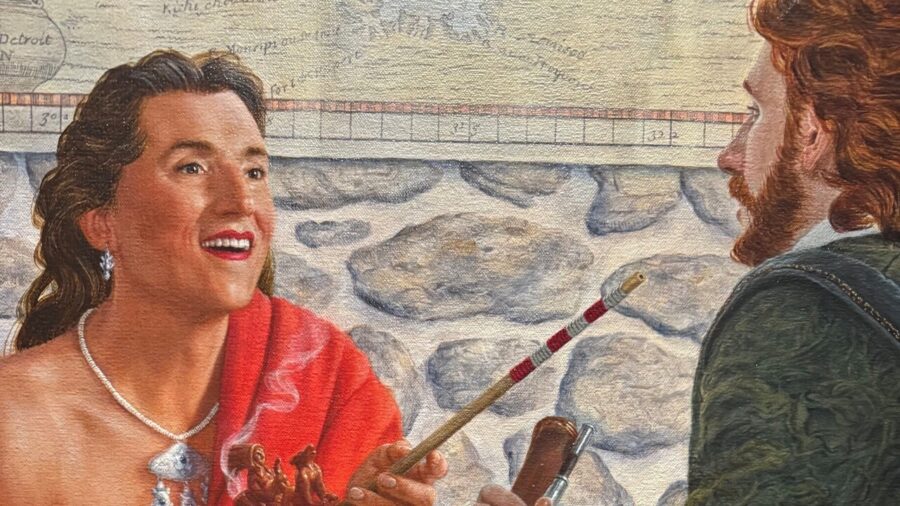
Standing before the works of Johannes Vermeer, Cree artist Kent Monkman has created a new series of five paintings currently on display at The Frick Collection. Monkman’s project engages in a visual dialogue with the 17th-century Dutch master, inserting Indigenous perspectives into the Western art canon.
Rewriting Historical Narratives
Monkman’s paintings directly reference Vermeer’s techniques and compositions while altering the subjects and contexts. By integrating Native American figures into scenes reminiscent of the Dutch Golden Age, the artist addresses historical themes of colonization and representation. The Frick Collection organized the exhibition to highlight how contemporary creators can reinterpret classical European art.
The series marks a shift in how institutions like The Frick approach their permanent collections. Museum officials stated the collaboration aims to expand the historical context surrounding Vermeer’s work. The paintings serve as a critique of the exclusion of Indigenous people from traditional art history narratives.
Impact and Future Perspectives
The reception of Monkman’s work focuses on the intersection of European artistic tradition and Indigenous history. Critics and museum visitors are evaluating how these modern interventions change the perception of Vermeer’s original works. The exhibition invites viewers to consider the power dynamics inherent in historical portraiture.
The museum plans to continue exploring similar thematic intersections in upcoming exhibitions. This approach suggests a broader trend among major institutions to re-examine their collections through diverse cultural lenses.
Why it matters: This exhibition highlights a significant shift in museum curation, where historical masterpieces are being recontextualized to include marginalized perspectives. For audiences in the Middle East and beyond, this illustrates a global movement toward diversifying the narratives presented in major cultural institutions, challenging traditional interpretations of art history.