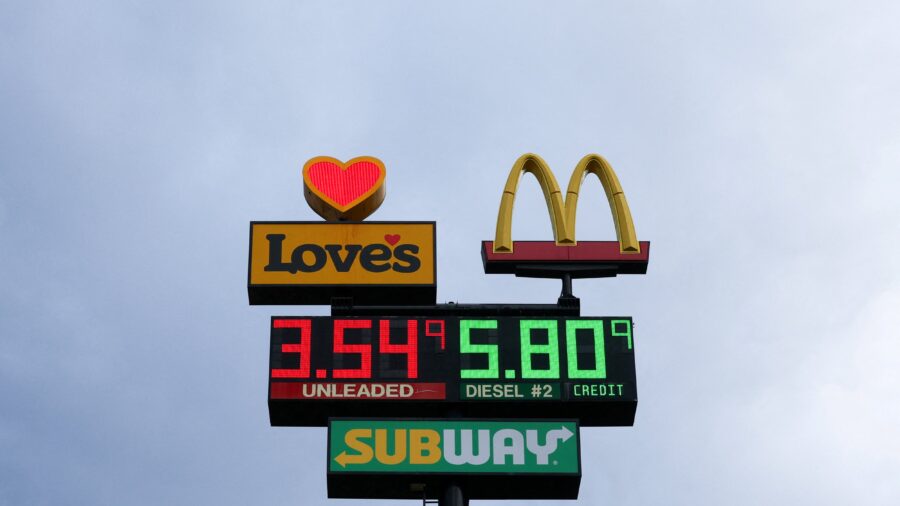
Rising fuel costs and inflationary pressures have emerged as central factors for American voters in recent midterm elections, according to data analyzing the intersection of foreign policy and domestic economic concerns. Voters are increasingly connecting government spending on overseas conflicts with the financial burden of daily expenses.
Economic Impact of Foreign Policy
Data from September shows the annual inflation rate reached 3.7 percent, with gasoline prices serving as a primary driver of the monthly increase. Costs at the pump have surpassed 3.58 euros per gallon, a figure that analysts suggest has influenced electoral outcomes more directly than abstract debates over foreign policy strategies.
Public sentiment regarding military involvement abroad appears to be shifting. A Reuters/Ipsos poll indicates that only 34 percent of respondents support recent military strikes against Iran. Furthermore, 54 percent of those surveyed expressed the view that the ongoing conflict has not been worth the cost, raising questions about the sustainability of current geopolitical commitments.
The Cost of Conflict
The political discourse has centered on the question of who bears the financial burden of Washington’s foreign engagements. While policymakers focus on strategic objectives, the electorate is prioritizing the direct impact of these policies on household purchasing power. The correlation between international military activity and domestic economic hardship has become a focal point for voters assessing candidates.
Why it matters: This trend highlights how geopolitical decisions directly impact the daily lives of citizens, transforming foreign policy into a domestic pocketbook issue. For observers in the Middle East, the data suggests that shifting American public opinion could influence future US military presence and diplomatic strategies in the region.