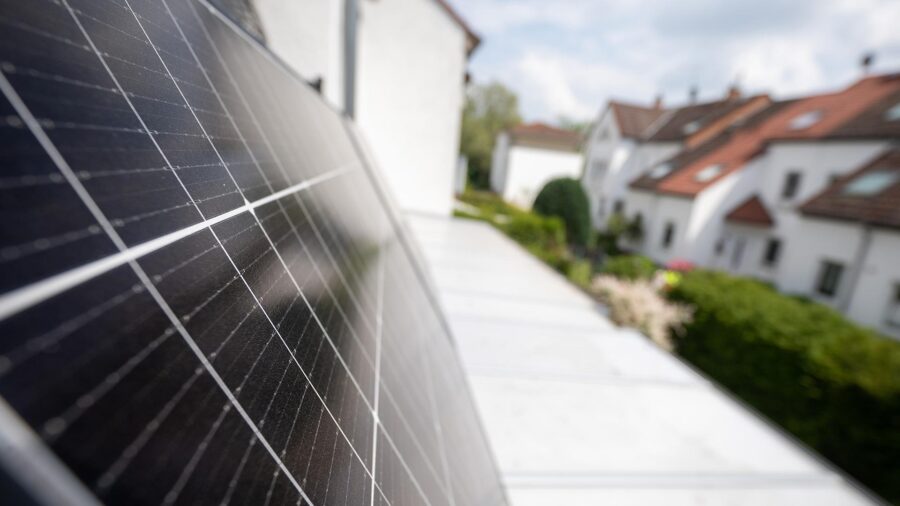
Recent surveys indicate that a majority of people consider climate protection important, but many reject specific environmental measures, a paradox explored by analyst Magdalena Schmude.
Key Findings
Polls across several regions reveal high public concern for climate change. Despite this, respondents frequently oppose policies such as carbon taxes, restrictions on vehicle emissions, and limits on industrial output.
Schmude attributes the discrepancy to perceived personal costs, lack of trust in government effectiveness, and limited understanding of long‑term benefits. She notes that while respondents express support for abstract goals, concrete actions that affect daily life encounter resistance.
Underlying Causes
The analysis points to three main factors driving the gap:
- Economic anxiety: Many fear that environmental regulations will increase living expenses or threaten jobs.
- Information gaps: Insufficient communication about how measures work and their impact leads to skepticism.
- Policy design: Initiatives perceived as top‑down or punitive generate pushback, whereas collaborative approaches receive more acceptance.
Schmude suggests that policymakers need to align climate strategies with socioeconomic concerns, offering incentives and clear explanations to bridge the divide.
Implications for the Region
In the Middle East and Egypt, where economic diversification and energy transition are priorities, the findings highlight a need for tailored outreach. Engaging local communities, demonstrating tangible benefits, and ensuring equitable burden‑sharing could improve public receptivity to climate initiatives.
Future research will examine how education campaigns and pilot projects influence attitudes over time.
Why it matters: Understanding the gap between climate concern and policy acceptance helps governments design effective, socially acceptable measures, crucial for meeting emission targets while maintaining economic stability in the region.