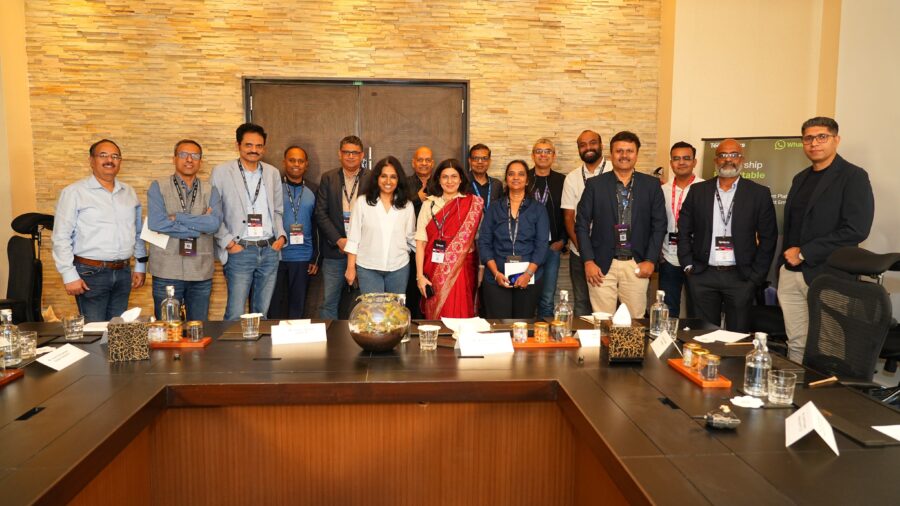
Engineers are increasingly using artificial intelligence to write software code in days rather than weeks, but industry experts warn that speed does not equate to system stability. At a roundtable during TechSparks 2026, technology executives gathered to discuss whether AI-accelerated development creates more problems than it solves regarding system maintenance and recovery.
The session, hosted by OPPEX and moderated by research director Madanmohan Rao, included engineering leaders from companies such as Google DeepMind, IBM, Amadeus, and Razorpay. The discussion focused on the growing gap between how quickly code is generated and how effectively it can be managed.
Prioritizing Outcomes Over Output
Participants cautioned that generating large volumes of code does not automatically translate to improved business results. While AI tools allow developers to produce code rapidly, downstream processes such as testing, validation, and deployment often struggle to keep pace. This bottleneck can result in software that is functional but unsupported by the broader system infrastructure.
“What matters is whether AI helps deliver better business results,” the panel noted. Several executives suggested that development teams should pivot their focus, using AI to streamline and remove unnecessary code rather than simply increasing the quantity of new features.
Managing Risk in Autonomous Systems
The panel reached a consensus on the need for tiered autonomy when deploying AI agents. Experts agreed that AI should not possess the same level of authority across all system types. Tasks that are easily reversible, such as restarting stateless services or scaling capacity, are suitable for autonomous management.
However, the group emphasized that systems involving sensitive data, financial transactions, or physical manufacturing require strict human oversight. Because errors in these sectors can have irreversible consequences, many organizations are now classifying applications by risk level. This strategy grants AI greater freedom in low-risk areas while maintaining human control over critical infrastructure.