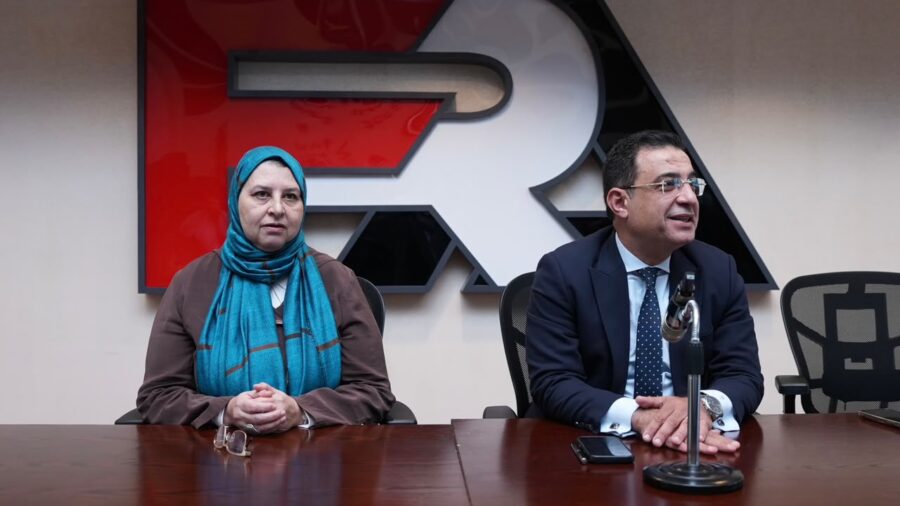
The Financial Regulatory Authority (FRA) hosted a training session for compliance officers at supervised non-banking financial companies this week. The workshop focused on implementing new due diligence procedures to combat money laundering and terrorism financing.
Strengthening Regulatory Compliance
FRA Chairperson Islam Azzam stated that Circulars Nos. 5, 8, and 10 of 2026 outline specific obligations for firms. These measures aim to align internal policies with the standards set by the Anti-Money Laundering and Terrorist Financing Unit. The guidelines focus on early risk detection by updating identity verification forms and internal company policies.
Hamdy Badawy, FRA Assistant Chairperson, emphasized that strict adherence to these regulations is necessary to prevent the exploitation of non-banking financial services for illicit activities. He noted that compliance is essential for maintaining market integrity and aligning with international frameworks, including mandates from regional and global financial action task forces.
Updates to Due Diligence Procedures
Maha Kenz, Head of the Central Administration for Combating Money Laundering and Terrorist Financing, led the training. She detailed updates to customer due diligence, including a new requirement for ongoing transaction monitoring. Kenz stressed that financial institutions must regularly update customer data to better identify unusual patterns and potential risks.
The workshop also covered:
- Customer and beneficial owner identification and identity verification.
- Screening processes against negative lists.
- Risk-based assessment approaches tailored to specific customer activities.
- Mandatory integrity and competency screening for employees upon recruitment and throughout their tenure.
The guidance also specifies that employees seeking products or services from their own institutions are subject to the same due diligence procedures as external clients.