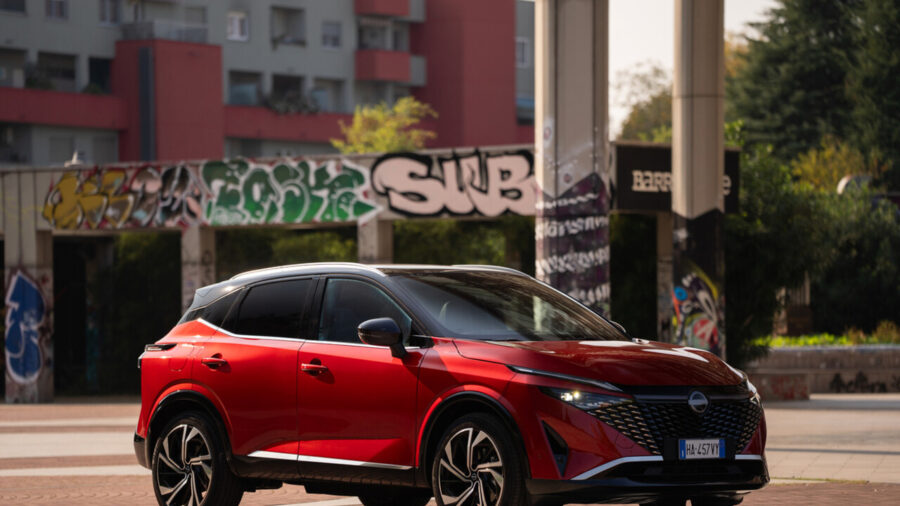
Nissan is celebrating the 20th anniversary of the Qashqai, a vehicle credited with defining the modern crossover segment. Since its introduction, the manufacturer has produced 4.6 million units of the model.
The crossover concept
Development of the Qashqai began with a specific design philosophy. Nissan engineers aimed to avoid simply lowering an existing SUV. Instead, the goal was to elevate a standard passenger car to provide a higher driving position and improved visibility. This approach established the crossover category in the automotive industry, blending characteristics of hatchbacks and traditional sport utility vehicles.
Production and legacy
The vehicle has maintained consistent production numbers over two decades. With 4.6 million units manufactured, the Qashqai remains a significant product for the Japanese automaker. It pioneered a segment that has since been adopted by nearly every major automotive manufacturer globally. The design focus shifted the market preference away from traditional sedans and toward the versatile, elevated architecture that the Qashqai popularized.
Why it matters: The Qashqai’s longevity illustrates a fundamental shift in global consumer vehicle preferences over the last two decades. By successfully bridging the gap between passenger cars and SUVs, Nissan influenced manufacturing trends that now dominate the automotive landscape, including in major markets across the Middle East, where high-riding vehicles are increasingly preferred for their versatility and road presence.