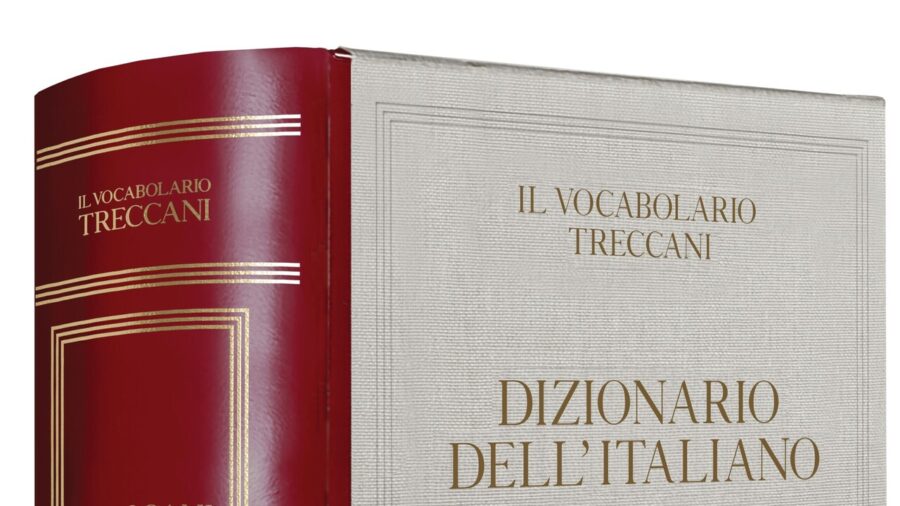
Prominent linguists gathered at the Treccani Institute to examine the current state and future of Italian language dictionaries. The meeting served as a forum for experts to debate lexicographical methodologies and the evolution of the Italian language.
A Gathering of Experts
Scholars from across the field of linguistics attended the event hosted by Treccani. Participants reviewed how modern dictionaries adapt to linguistic changes and the challenges of documenting contemporary usage. Discussions focused on the criteria used to include new terms and the role of academic institutions in maintaining linguistic standards.
The Role of Treccani
The Treccani Institute, known for its encyclopedic works, facilitated the dialogue between researchers. The session provided a platform for professionals to compare different approaches to dictionary compilation. Attendees explored the balance between preserving historical language forms and incorporating evolving vernacular expressions used by native speakers.
Current Status of Italian Lexicography
The meeting highlighted ongoing efforts to refine how the Italian language is codified. Experts emphasized the need for dictionaries to remain relevant documents that reflect societal changes while adhering to rigorous linguistic principles. The dialogue underscored the complexity of defining boundaries within an ever-changing language.
Why it matters: As the Italian language continues to evolve, these discussions are essential for maintaining authoritative references. For students, educators, and language professionals, the consensus reached by such institutions dictates the formal standards used in literature, media, and academic discourse.