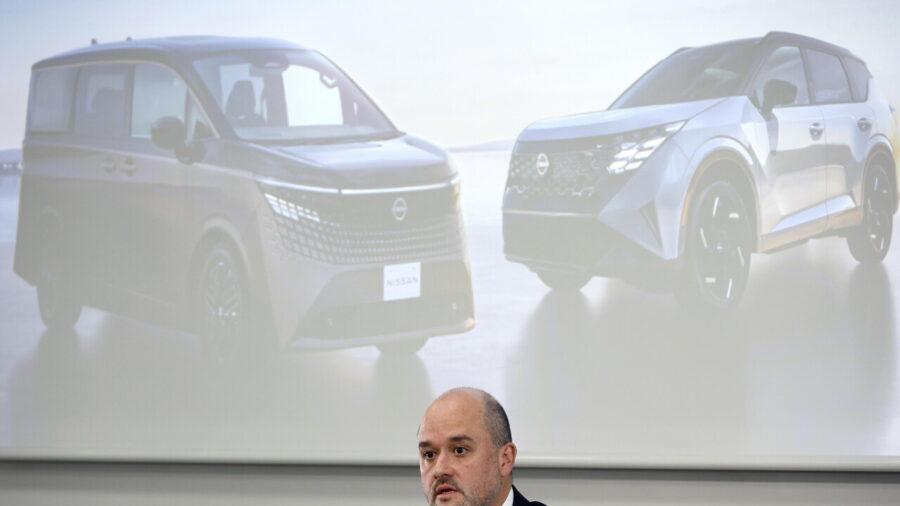
Nissan Motor Co said on Tuesday it recorded an operating profit for the latest quarter despite posting a net loss, and reaffirmed its target of 200 billion yen in operating profit for the fiscal year ending March 2026.
The Japanese automaker posted an operating profit of 5.2 billion yen for the three months ended September 30, according to its quarterly results. The figure contrasts with a net loss of 56.8 billion yen for the same period.
Management highlighted that the operating profit reflects cost‑cutting measures and stronger sales of higher‑margin models in key markets. The company said the result supports its medium‑term outlook and validates the 200‑billion‑yen operating profit goal set for the 2026 fiscal year.
Key financial details
Nissan’s revenue for the quarter fell 3.1% year‑on‑year to 3.9 trillion yen. Operating expenses were trimmed by 4.5%, driven by reductions in labor costs and streamlined production schedules. The net loss was widened by a 12.3‑billion‑yen impairment charge linked to its alliance partner.
Analysts noted that the operating profit, though modest, indicates the company’s turnaround plan is gaining traction. Nissan plans to launch three new electric vehicle models in 2025 and expand its presence in Southeast Asia.
Background and outlook
The automaker has been under pressure since 2022, when a series of leadership changes and supply‑chain disruptions hit earnings. In 2023, Nissan announced a restructuring program aimed at cutting 15,000 jobs and consolidating factories.
CEO Makoto Uchida said the firm will continue to focus on profitability, technology investment and market diversification. He added that the 200‑billion‑yen operating profit target remains realistic given the expected lift from electric‑vehicle sales and cost efficiencies.
Why it matters: Nissan’s ability to generate operating profit despite a net loss signals a potential shift in its financial trajectory. For consumers and investors in the Middle East and Egypt, where Nissan vehicles are popular, the company’s renewed focus on profitability and new electric models could affect pricing, availability and market competition.