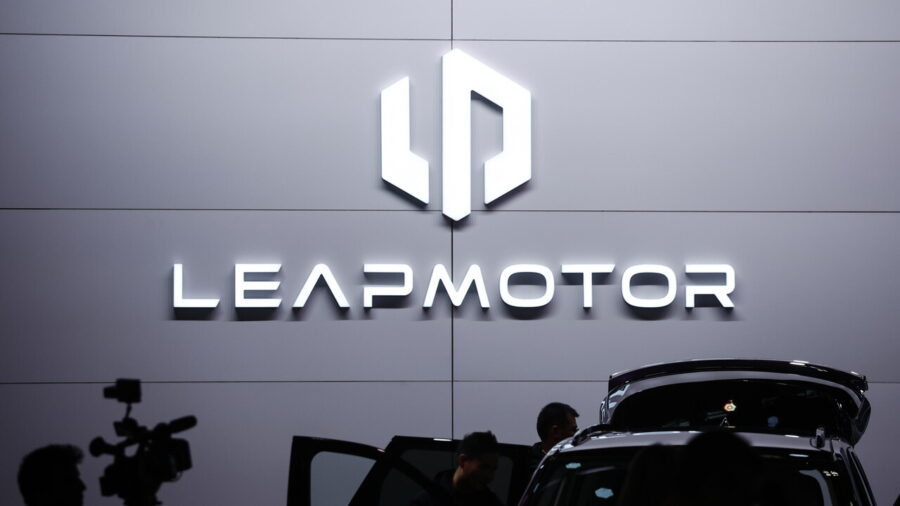
Stellantis CEO Carlos Filosa stated that the automaker’s partnership with Chinese manufacturer Leapmotor will support its European production strategy. The collaboration includes plans to establish new manufacturing facilities, with at least one site expected in Italy.
Filosa confirmed the company intends to expand the scope of its existing agreement with the Chinese firm to explore further industrial opportunities. The move marks a strategic effort by Stellantis to integrate Leapmotor’s technology and manufacturing capabilities into its broader European operations.
Expanding Production Capacity
The partnership aims to leverage Leapmotor’s expertise to bolster Stellantis’s footprint within Europe. By utilizing Leapmotor’s production models and technical assets, Stellantis seeks to optimize its supply chain and manufacturing efficiency across the continent.
The inclusion of an Italian facility aligns with recent discussions regarding the localization of vehicle assembly. This strategy is intended to help the company meet regional demand while managing the complexities of the European automotive market.
Strategic Implications
Stellantis has been actively seeking ways to navigate the transition to electric vehicles by forming alliances that provide cost advantages and technical support. The collaboration with Leapmotor serves as a key pillar in this strategy, allowing Stellantis to access Chinese manufacturing innovations while maintaining its presence in established European markets.
The company will continue to evaluate potential sites for the new facilities as part of its ongoing industrial roadmap. Further details regarding the specific locations and production timelines are expected to be finalized as the partnership moves into its next phase.
Why it matters: This development highlights how major global automakers are increasingly relying on Chinese partnerships to remain competitive in the transition to electric mobility. For European markets, including those in the Mediterranean, this strategy signals a potential shift in how vehicles are produced, localized, and priced to meet changing consumer demands and regulatory requirements.