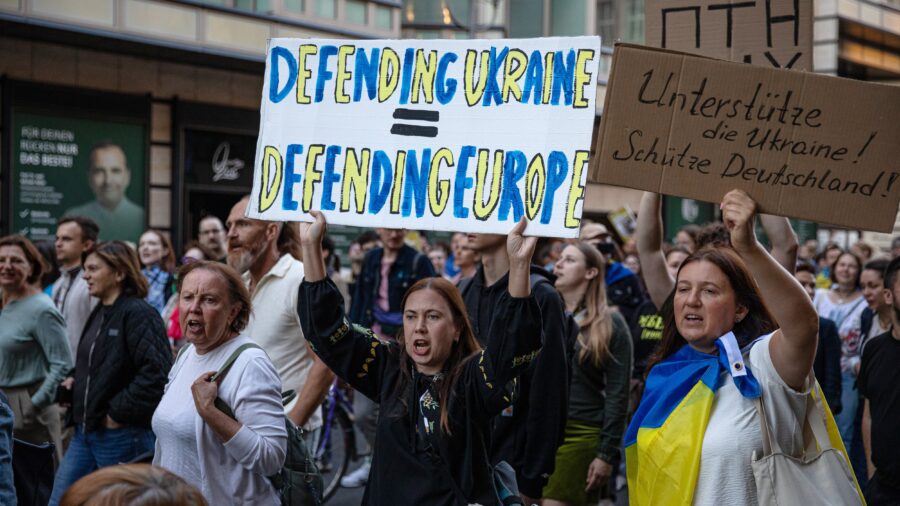
A recent commentary argues that justice must be applied universally, regardless of geopolitical context. The piece suggests that selective outrage over global conflicts undermines the foundational principles of international fairness.
The Principle of Universal Injustice
The argument draws upon a 1963 letter written by Martin Luther King Jr. from a jail in Birmingham, Alabama. In that correspondence, King stated that injustice anywhere is a threat to justice everywhere. The commentary posits that this perspective requires individuals to reject inconsistent responses to global crises.
Addressing Selective Outrage
The author questions why international attention and public concern are often inconsistent when dealing with different conflicts, specifically citing the war in Ukraine as a point of reference. The text challenges readers to examine which injustices are ignored while focus is placed on other, more publicized events.
By prioritizing specific crises over others, the commentary claims the international community risks creating a hierarchy of human suffering. It urges a re-evaluation of how moral outrage is distributed across different global theaters.
Why it matters: This perspective highlights a growing global debate regarding the inconsistency of international policy and media attention. For readers in the Middle East and Egypt, where regional conflicts often receive fluctuating levels of global scrutiny, the call for a consistent application of justice reflects ongoing discussions about international double standards and the equitable treatment of victims in various global conflicts.