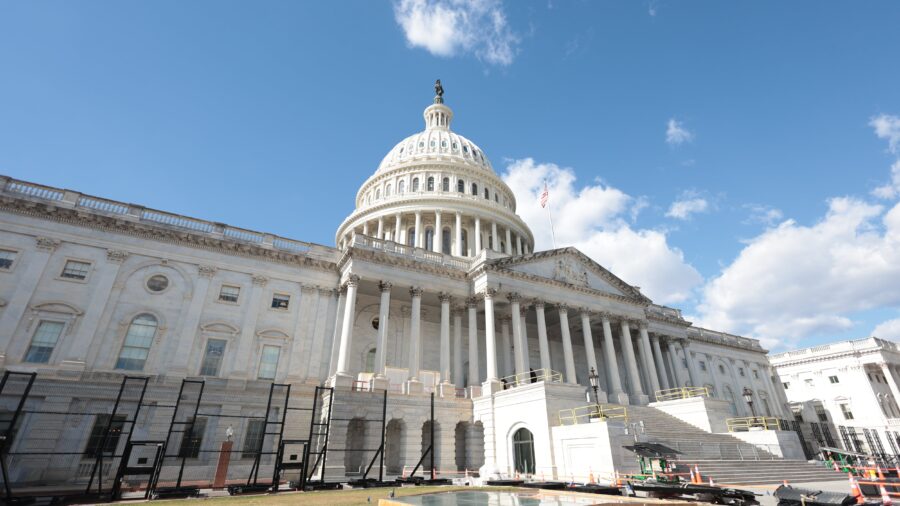
Wall Street investors are viewing the recent U.S. midterm election results as a potential shift in the country’s economic landscape. The Democratic Party’s victory in both chambers of Congress introduces a system of checks and balances that financial markets have largely lacked during the first two years of the Trump administration.
For the past two years, White House decisions regarding trade, taxes, and geopolitics have dictated asset prices. Market participants now suggest that the president’s ability to unilaterally transform the economy will be constrained by the new legislative reality. While this shift may not guarantee increased stability, it marks a transition from unrestricted executive authority to a more deliberative process.
Legislative Gridlock and Market Uncertainty
Financial analysts are debating the long-term implications of this new political division. The primary question facing investors is whether the presence of a divided government will reduce market uncertainty or simply shift the locus of political conflict from the White House to the Capitol.
The current environment suggests that while Donald Trump’s core economic policies may remain in place, future initiatives will require legislative negotiation. This could slow the pace of executive-driven economic changes, forcing the administration to engage with Congress on fiscal and trade matters that were previously handled through unilateral action.
The Future of Policy Implementation
Markets are now adjusting to a Washington where the president faces significant opposition in the legislature. Investors are watching to see if this gridlock will lead to legislative compromise or persistent partisan disputes. The outcome will determine the direction of U.S. economic policy for the remainder of the president’s term.
Why it matters: For international investors and observers in the Middle East, this shift signals a potential change in how U.S. trade and foreign policy is executed. A more constrained executive branch means U.S. economic decisions may become more predictable but potentially harder to implement, affecting global markets that rely on clear signals from Washington.