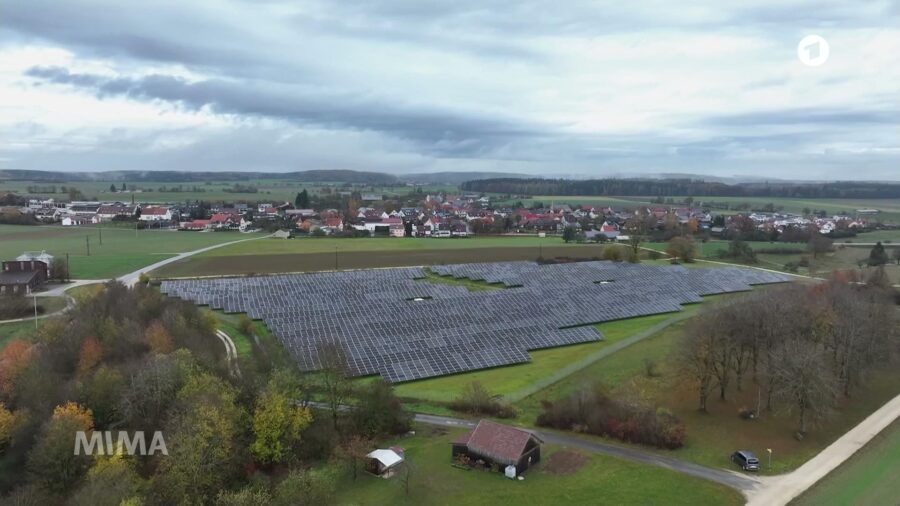
A recent assessment of global environmental efforts shows Germany losing ground, marking a shift in the country’s longstanding reputation as a leader in climate policy. The latest Climate Change Performance Index (CCPI) places Germany in a lower position compared to previous years, reflecting challenges in meeting its ambitious decarbonization targets.
Factors Behind the Decline
The annual index evaluates countries based on four categories: greenhouse gas emissions, renewable energy, energy use, and climate policy. Analysts point to several structural hurdles that contributed to the downward trend. Despite significant investment in green infrastructure, the transition away from fossil fuels has faced implementation delays.
Observers note that while Germany remains committed to its net-zero goals, the pace of industrial transformation has not kept up with international benchmarks. The report highlights that other nations are accelerating their energy transitions more rapidly, causing Germany to fall behind in the comparative rankings.
Looking Ahead
The German government faces pressure to expedite regulatory processes and incentivize further private sector investment in clean energy. Policymakers are currently debating revisions to energy strategy to address these findings and realign with international climate commitments.
Why it matters: As a major industrial economy, Germany’s climate performance serves as a bellwether for global decarbonization efforts. For nations in the Middle East and Egypt, which are increasingly looking to diversify energy portfolios and engage in green hydrogen partnerships, Germany’s ability to maintain its technological and policy momentum is critical. A slowdown in German climate progress could affect the scale and speed of international collaborative projects focused on renewable energy transitions in developing regions.