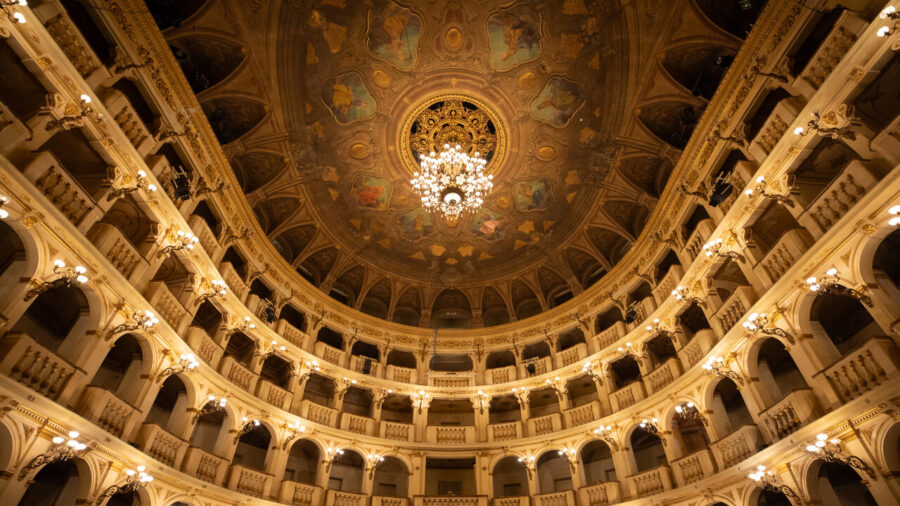
Patrons of the Teatro Comunale di Bologna can now secure a permanent connection to the historic venue through a new fundraising initiative. The theater has launched a “Dedicate a Seat” campaign to support its ongoing restoration efforts and eventual reopening.
A Path to Preservation
The program invites members of the public to contribute to the theater’s upkeep by sponsoring individual seats within the venue’s boxes. The initiative operates through the Art Bonus scheme, a legislative framework in Italy that allows taxpayers to claim a tax credit for donations made to support public cultural heritage.
To participate, donors must contribute a minimum of 500 euros. In exchange for the donation, the theater will acknowledge the contribution, effectively linking the donor’s name to a specific seat in the historic auditorium. The funds raised are earmarked to cover expenses related to the facility’s extensive renovation work, which is required to modernize and preserve the structure for future performances.
Community Engagement
The campaign serves as both a financial tool and a method of community engagement. By opening the restoration process to private patronage, the Teatro Comunale aims to foster a sense of shared ownership among its audience members. The theater administration views this as a vital step in maintaining the venue’s role as a cornerstone of the city’s cultural life.
While the theater remains focused on the technical requirements of its reopening, officials indicate that public support will be instrumental in meeting the project’s milestones. Future updates regarding the restoration timeline and the theater’s upcoming performance schedule are expected as the fundraising progress continues.
Why it matters: This initiative highlights how cultural institutions in Italy are increasingly relying on public-private partnerships and tax-incentive schemes to fund historic preservation. For cultural sectors globally, including the Middle East and Egypt, the model demonstrates a sustainable approach to maintaining heritage sites through direct community investment.