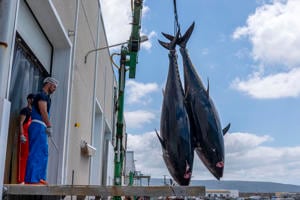
Vessels across the European Union fleet are preparing to vacate Mauritanian fishing grounds this weekend as a key access agreement approaches its expiration date. The current protocol, which allows EU ships to operate in the region, is set to lapse at midnight on Saturday.
Stalled Negotiations Threaten Operations
For five years, the European fishing industry has tracked the November 14 deadline, anticipating the end of the current terms. Without a renewal, roughly 60 vessels from various EU member states will be forced to halt operations in Mauritanian waters. Spanish operators account for approximately half of this total, with about 30 ships currently preparing to depart the area.
The existing agreement has been a significant component of the EU’s external fishing policy. It permits the capture of up to 280,000 tons of marine life annually, including tuna, shrimp, and squid. The sudden cessation of these activities creates immediate uncertainty for the commercial fleets that rely on these stocks.
Future Uncertainty for the Fleet
Industry representatives and government officials have not yet announced a breakthrough in negotiations to extend the protocol. As the Saturday deadline approaches, fishing companies are finalizing logistics to comply with the expiration of access rights. The departure of these fleets marks a suspension of a long-standing maritime partnership that connects European commercial interests with West African waters.
Why it matters: The expiration of this agreement highlights the fragility of international fishing treaties. For nations in the Middle East and North Africa, the management of shared maritime resources and the negotiation of access agreements remain critical issues for regional food security and economic stability.