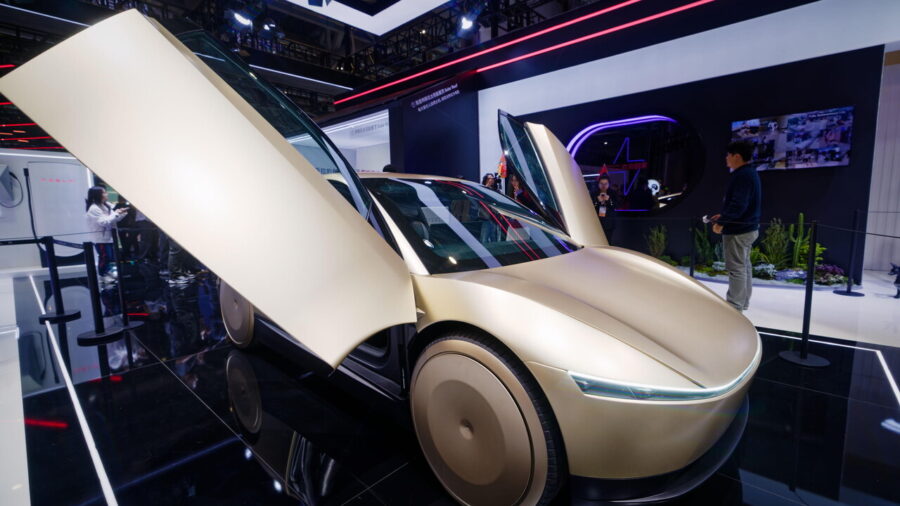
Tesla has begun selling its Cybercab, a fully autonomous vehicle, to a limited group of customers as the company expands its Robotaxi service in the United States.
Key takeaways
- Limited rollout: Sales are restricted to “selected customers” rather than the general public.
- Robotaxi integration: The Cybercab is already operating in several U.S. cities under Tesla’s Robotaxi program.
- Autonomous technology: The vehicle is designed to run without a human driver, using Tesla’s full self‑driving software.
- Strategic move: Opening sales aims to generate early revenue while gathering real‑world data.
- Market impact: The launch marks a step toward broader commercialization of driverless taxis.
Sales to a curated group
Tesla announced that the Cybercab will be sold only to a curated list of customers. The company did not disclose the criteria for selection or the number of units available.
Existing deployments
According to Tesla, the Cybercab is already in service in multiple U.S. cities as part of its Robotaxi network. The vehicles operate without a human driver, relying on the company’s full self‑driving (FSD) system.
Purpose of the limited launch
By restricting sales, Tesla can collect performance data from a controlled fleet while generating early revenue. The approach also allows the firm to refine the autonomous software before a wider release.
Implications for the autonomous‑vehicle market
The move signals Tesla’s confidence in its driverless technology and its intent to compete with other firms developing robo‑taxis. Industry analysts view the limited rollout as a test of consumer acceptance and regulatory readiness.
Why it matters: Introducing the Cybercab to a select clientele provides Tesla with real‑world operating data, helping to shape the future of autonomous transport in the United States and potentially influencing adoption in regions such as the Middle East and Egypt, where demand for innovative mobility solutions is growing.