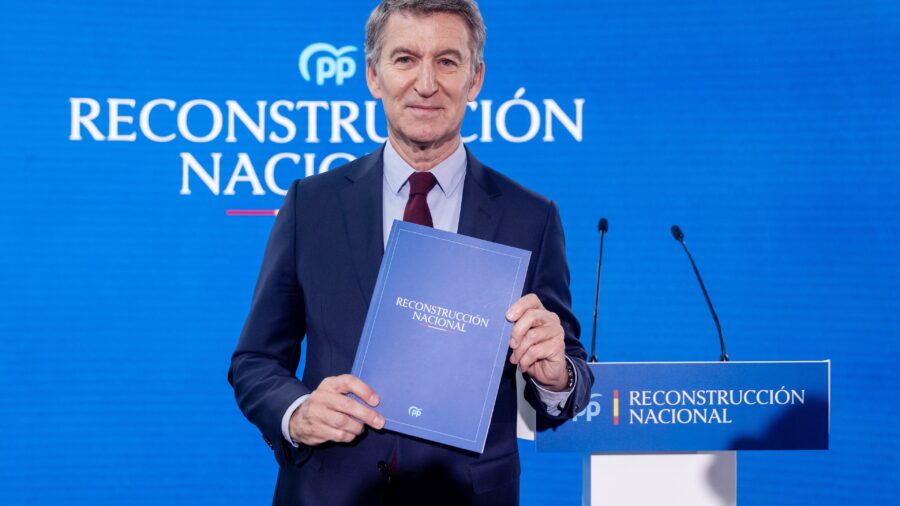
Political party platforms once served as the primary indicator for voters regarding the future direction of government policy. Historically, obtaining these documents was considered a major journalistic achievement, with media outlets often highlighting them prominently to inform the public about potential legislative agendas.
Past Significance
In previous election cycles, party platforms were viewed as the most critical element of a campaign, second only to the candidates themselves. These documents outlined specific commitments that directly impacted the daily lives of citizens. Media organizations frequently published these platforms in full, treating them as essential reading for the electorate.
Changing Standards
Public expectations regarding these platforms have shifted over time. Historically, there was a greater emphasis on accountability, where the disparity between written campaign promises and actual political practice resulted in significant political consequences for parties. Current political discourse reflects a different environment, where the direct link between written platforms and subsequent governing actions is less stringently enforced by voters and observers than in earlier decades.
Current Status
The role of formal party manifestos has evolved from being the central focus of news coverage to a less prominent feature of electoral campaigns. While they remain public records, their influence on voter perception and candidate accountability has diminished compared to historical standards.
Why it matters: This shift highlights a broader trend in political accountability. As the gap between stated campaign goals and governing practice widens without public repercussion, voters face greater difficulty in predicting future government actions based on pre-election promises.