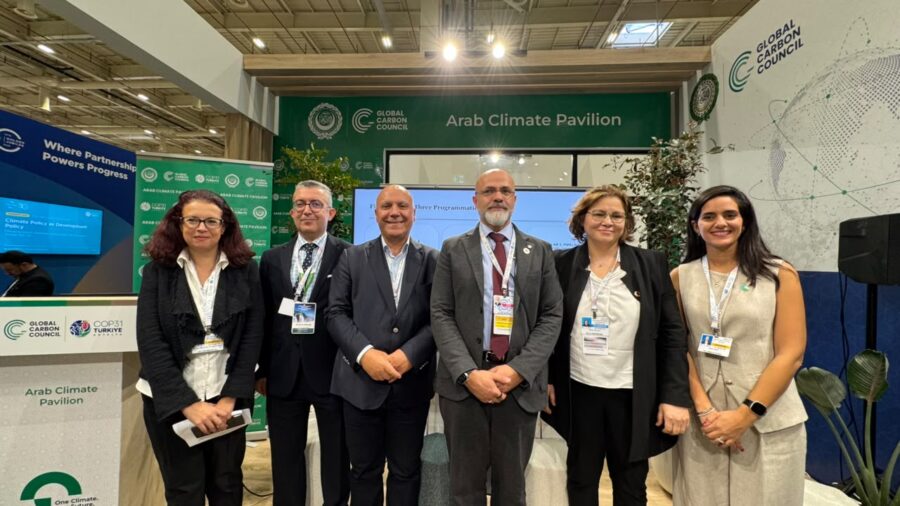
At the COP31 climate summit, officials gathered to unveil the Mediterranean Renewable Energy Finance Hub, a new initiative designed to bridge the gap between project developers and capital. The launch event included representatives from Morocco, the United Nations, the European Commission, and the League of Arab States, all aiming to secure $20 billion in renewable energy investment commitments by 2028.
Addressing Investment Barriers
The TeraMed Initiative seeks to streamline the transition to clean energy across the Arab and Mediterranean regions. Organizers identified several obstacles hindering progress, including high capital costs, currency risks, and regulatory fragmentation. The new hub intends to facilitate partnerships between governments and financial institutions to improve project readiness and mitigate these risks.
Moroccan Minister Charafat Afailal noted the strategic potential of the region’s shared solar and wind resources. She stated that reaching the initiative’s goal of one terawatt of renewable capacity by 2030 requires coordinated action across the public and private sectors.
Regional Integration and Future Outlook
United Nations Under-Secretary-General Rania Al-Mashat emphasized that funding must accompany infrastructure development and regional market integration. She highlighted the potential to link Mediterranean projects with the Pan-Arab Electricity Market. European Commissioner Dubravka Šuica supported this view, noting that the EU’s T-MED initiative plans to mobilize €25 billion by 2035 for grids and clean technologies.
Hajar Khamlichi, North Africa Director at the Platform on International Energy, stated that the current challenge lies in creating the necessary conditions to unlock existing investment potential.
Why it matters: This initiative is significant for the Middle East and North Africa, as it aims to formalize energy cooperation across the Mediterranean. By aligning regional power systems and addressing regulatory hurdles, the project seeks to stabilize energy markets and attract foreign capital to a region with substantial untapped solar and wind potential.