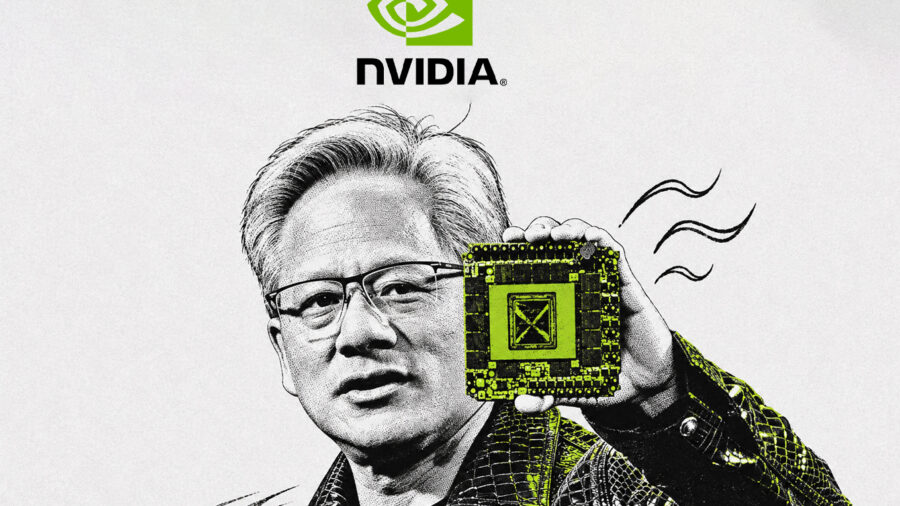
Jensen Huang resumed his role as CEO of NVIDIA on November 23, ending an 11-day leadership vacancy that had prompted concerns among global technology partners. While the reinstatement provides continuity for companies relying on the chipmaker, analysts indicate it does not resolve the structural challenges facing India’s artificial intelligence sector.
Leadership Continuity and Corporate Oversight
Huang’s return follows his resignation on November 12, an event that triggered uncertainty regarding NVIDIA’s investment strategies, supply chain management, and product innovation timelines. U.S. President Donald Trump publicly supported the decision, referring to Huang as a national treasure. Despite the return, the company board confirmed that an independent investigation remains active. NVIDIA has established a National Security and Export Control Committee and is recruiting a chief compliance officer to increase internal governance.
Gaurav Gupta, a vice president analyst at Gartner, noted that while the market views the return as positive, increased oversight may alter Huang’s internal influence. “NVIDIA is not a one-person company, but Jensen’s return does bring more certainty,” Gupta said.
Structural Constraints in the Indian AI Market
For Indian firms building infrastructure around NVIDIA’s hardware and software, the leadership change does not immediately ease procurement difficulties. Achyuta Ghosh, India market lead for HFS Research, stated that constraints remain driven by global demand, manufacturing capacity, and U.S. export policies. These factors, he argued, cannot be resolved by a single leadership decision.