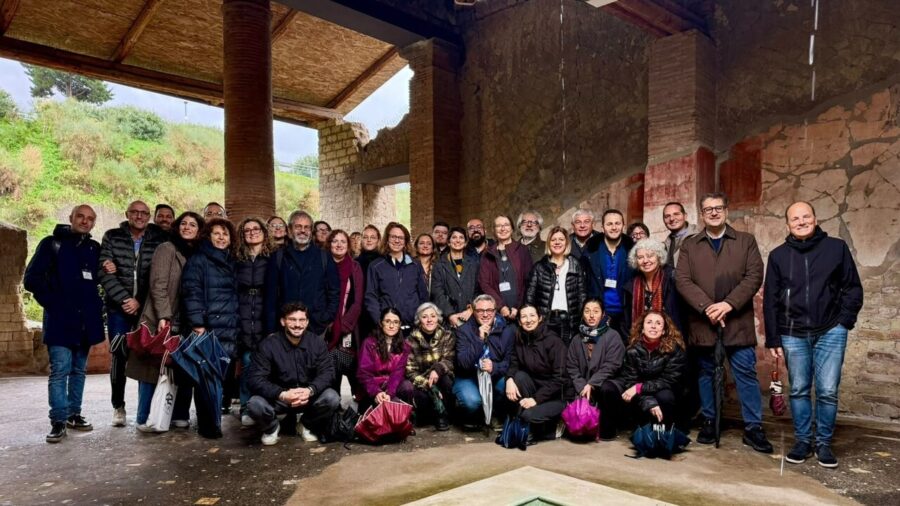
Officials from the archaeological sites of Pompeii and Herculaneum have entered into a technical collaboration with Heritage Malta to share expertise on heritage preservation. The partnership began this week with a three-day series of technical and operational meetings held at the Vesuvius sites.
Focus on Technical Exchange
The initiative aims to facilitate the exchange of methodologies regarding the management and restoration of ancient archaeological sites. Representatives from both Italian institutions and Heritage Malta are reviewing current conservation strategies, site maintenance protocols, and visitor management practices.
The collaborative sessions focus on several key areas:
- Development of sustainable maintenance plans for open-air archaeological sites.
- Implementation of advanced monitoring technologies for structural integrity.
- Standardization of restoration techniques used across international heritage sites.
Context of the Partnership
Pompeii and Herculaneum are among the most significant archaeological sites in the world, renowned for their preservation following the eruption of Mount Vesuvius in 79 AD. Heritage Malta, the national agency for museums and cultural heritage in Malta, manages numerous sites across the Mediterranean island, including several UNESCO World Heritage locations. This agreement seeks to leverage the extensive experience of the Italian sites to bolster the technical capabilities of the Maltese agency.
The meetings serve as a forum for experts to address the logistical challenges inherent in maintaining ancient structures exposed to environmental elements and high tourist traffic. Participants are expected to finalize a framework for ongoing cooperation following the conclusion of the three-day summit.
Why it matters: This collaboration establishes a knowledge-sharing network between major Mediterranean heritage entities. By pooling technical resources, the institutions aim to improve long-term preservation efforts for ancient sites facing similar environmental and structural pressures, potentially creating a model for heritage management across the region.