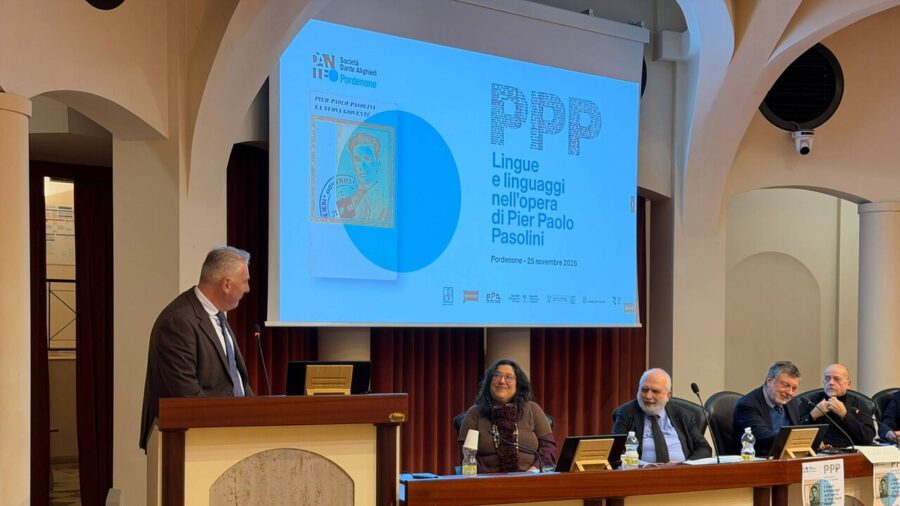
The city of Pordenone has been designated as the Italian Capital of Culture for 2027. Mayor Alessandro Ciriani confirmed that the city’s programming will feature a significant focus on the work and legacy of Pier Paolo Pasolini.
Key Takeaways
- Official designation: Pordenone secured the title of Italian Capital of Culture for 2027 following a competitive selection process.
- Pasolini focus: Mayor Alessandro Ciriani announced that the city’s cultural agenda will heavily incorporate the influence and works of Pier Paolo Pasolini.
- Event announcement: The plans were unveiled during a joint conference held by the Dante Alighieri Society and the Accademia della Crusca.
- Cultural significance: The recognition highlights Pordenone’s ongoing efforts to integrate historical literary figures into modern municipal identity.
Focus on Pasolini
Mayor Ciriani stated that Pasolini will serve as a central pillar for the city’s cultural initiatives throughout the year. The announcement was made during a high-profile event organized by the Dante Alighieri Society and the Accademia della Crusca, emphasizing the literary prestige associated with the upcoming designation.
The administration intends to leverage this national platform to showcase the city’s historical ties to Pasolini, who spent formative years in the region. Organizers aim to bridge traditional academic study with public engagement, ensuring the program reaches a wide audience beyond scholarly circles.
Broader Cultural Strategy
The selection of Pordenone reflects a broader strategy among Italian municipalities to use the Capital of Culture title to drive tourism and civic development. By centering the 2027 program on a recognized intellectual figure, officials hope to establish the city as a permanent destination for cultural tourism.
Why it matters: This designation provides Pordenone with national visibility and potential economic investment linked to tourism. For audiences interested in Mediterranean cultural history, it underscores the persistent relevance of 20th-century Italian writers in contemporary governance and urban branding.