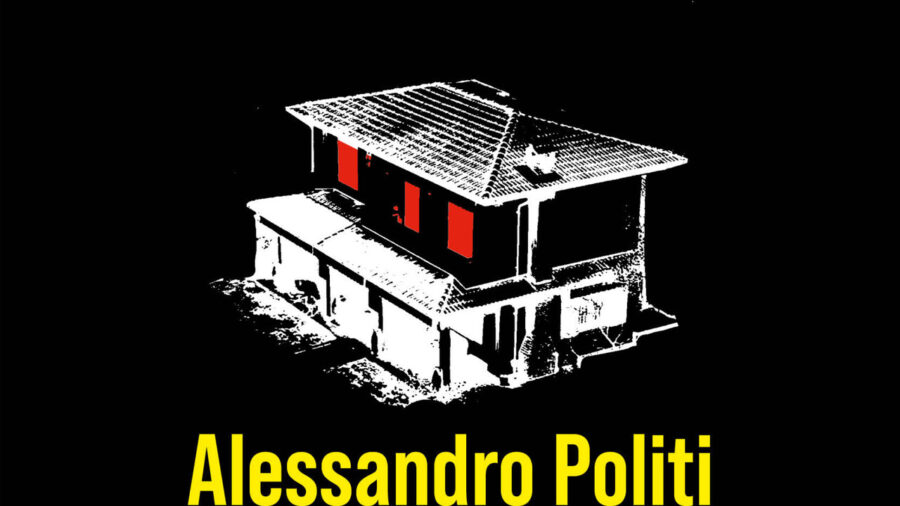
Alessandro Politi, an author and investigator, has released a book detailing the media landscape surrounding the 2007 murder of Chiara Poggi in Garlasco, Italy. The work scrutinizes the public discourse and investigative reporting that followed the high-profile crime.
A Case Defined by Media Narrative
The Garlasco murder case remains one of Italy’s most discussed criminal trials. Poggi was found dead in her home, leading to a long legal process involving her boyfriend, Alberto Stasi. Politi’s book, titled “Garlasco, le verità presunte,” argues that the case was heavily influenced by media distortion. The author claims that public opinion was shaped by a combination of misinformation, speculative reporting, and sensationalism.
Politi suggests that the “manipulated” nature of the coverage obscured key facts. By analyzing the interplay between judicial proceedings and press reports, the book aims to separate established legal findings from the narratives constructed by television programs and newspapers during the years of investigation.
The Impact of Public Opinion
The book documents how media scrutiny affected the perception of the Garlasco case. It highlights instances where unverified reports were presented as fact, complicating the public’s understanding of the judicial process. Critics and observers have long debated the role of Italian media in high-profile criminal cases, and Politi’s research adds a specific focus on the Garlasco trial as a case study for media ethics.
The publication is expected to reignite discussions regarding the responsibility of the press when covering sensitive criminal investigations. As legal archives remain open, the book serves as a retrospective analysis of how information and misinformation can coexist in the public sphere.
Why it matters: This story highlights the ongoing tension between media coverage and the judicial process in Italy. It serves as a reminder of how unchecked reporting can influence public perception of criminal justice, a concern relevant to legal systems globally where media scrutiny often intersects with courtroom evidence.