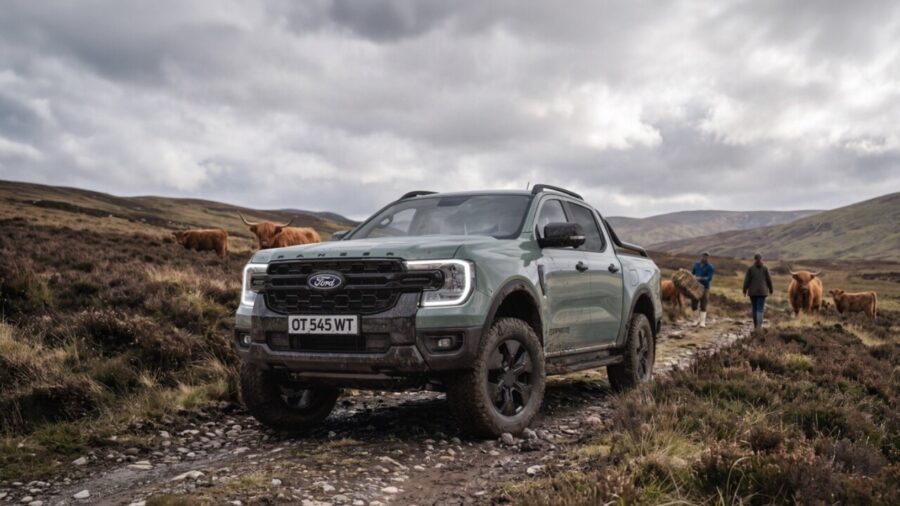
Ford has announced a new special edition of its Ranger pickup truck, the Wolftrak, designed for both commercial and recreational use. The vehicle is based on the existing Wildtrak trim level and aims to balance work-site utility with off-road capability.
Powertrain and Performance
The manufacturer confirmed that the Wolftrak will offer two distinct powertrain options to accommodate different customer needs. Buyers can choose between a V6 turbodiesel engine or a plug-in hybrid system. These options are intended to provide customers with a choice between traditional towing torque and the efficiency associated with electrified powertrains.
The Wolftrak model builds upon the structural foundations of the Wildtrak series, which is currently part of Ford’s core Ranger lineup. While Ford has not provided specific performance metrics for this new edition, the company stated that the vehicle is engineered to maintain the towing and payload capacities expected of the Ranger platform.
Market Positioning
The introduction of the Wolftrak follows a trend of automakers diversifying their truck offerings to capture both professional fleets and lifestyle consumers. By utilizing the Wildtrak architecture, Ford intends to streamline production while offering a distinct aesthetic and feature set for the new trim. The vehicle is expected to integrate the latest driver-assistance technology and interior features found in recent Ranger updates.
Ford has not yet released pricing details or specific availability dates for the Wolftrak edition. Interested customers are expected to receive further information through Ford dealership networks in the coming months as the company finalizes the production schedule.
Why it matters: This launch represents Ford’s strategy to expand its Ranger footprint in global markets where dual-purpose trucks are in high demand. For buyers in the Middle East and Egypt, where rugged utility vehicles are essential for both commercial sectors and recreational off-roading, the inclusion of a V6 diesel alongside a plug-in hybrid option provides more flexibility in regions with varying infrastructure and fuel preferences.